Tuesday, August 12, 2008

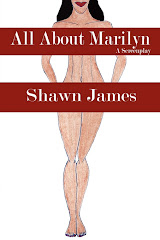
The Cassandra Cookbook Now Available From Shawn James

Now Available From Shawn James


A pinch of hard work.
A dash of determination.
A recipe for success.


Cassandra Lee’s lifelong dream is to take over the downtown Brooklyn bakery with her name on it when her parents retired. Her dream turns into a nightmare near the eve of her wedding when she learns corporate giant ITC Foods has plans for the store and her low down down low fiancé Gerald is caught in the arms of another man.

Cassandra perseveres, acting as her parents’ agent working with ITC rep Simon James to complete the deal. As their professional relationship gets personal, Simon reveals a secret that devastates Cassandra. Sending Cassandra over the edge, Simon must come up with a plan to heal her broken heart and make her dreams come true.

Read the first chapter here

The Cassandra Cookbook Chapter 1


CHAPTER 1
Cassandra Lee


Six AM.
Time to make the donuts.
I spring out of bed with a smile on my face and butterflies in my stomach. This morning my parents are meeting with me to discuss Cassandra’s future. I’m tense with anticipation and I’m hoping the news is what I’ve been expecting. They’ve been talking about retiring lately and I think they’re finally going to give me the bakery.
I proudly look up at the series of family portraits displayed on the wall above the dresser before getting a change of underwear out of the top drawer. The first shows me as a fussy toddler in my father’s arms as we stand outside of a small rundown Downtown Brooklyn corner shop in 1974. As Cassandra changes, I grow from a scrawny child into an awkward teenager with huge hair, then into a proud graduate in her white high school cap and gown, to a short haired eager college student in a loose fitting culinary school uniform and finally into a confident woman leading her staff of twenty employees outside a Fulton Mall staple. Today everything they taught me will come full circle.
I choke back tears and march down the hall into the bathroom. After brushing my teeth and taking a quick shower, I streak back into the bedroom to stand in front of the full-length mirror hanging on the closet door. Once I comb my blonde colored boycut hair into place I start taking my size six uniform off the wooden valet standing between the closet and the dresser. I quickly get dressed in a neatly pressed pink broadcloth blouse, khaki twill pencil skirt, nude stockings, shined burgundy loafers, and silver digital watch. When I take the five-carat platinum and diamond engagement ring out of the jewelry tray and slip it on my finger I proudly admire the reflection of the polished professional black woman on the closet door.
Mmmmmmmmm…the sweet spicy aroma of my bakery’s warm cinnamon buns swirl in the air as I step out into the hallway and head downstairs. It looks like Gerald hasn’t left for work yet. I’ll go say good morning to my fiancé.
I walk through the living room and push the white swinging kitchen door open to find my chocolate colored man dressed in his charcoal pinstripe suit, white shirt, and lavender tie. He stands behind the green marble center island counter in front of a half eaten cinnamon bun and cup of coffee typing an e-mail on his Blackberry. Gerald gives me a kiss when I walk up to him; the creamy sugar from the traces of white icing on his lips makes him taste even sweeter.
“Good morning Cassie.” Gerald greets. “I thought this was your day off.”
“It is, but I’m supposed to meet with my parents regarding Cassandra’s future.” I say. “I think they’re going to give me the store.”
“Well, you should finally own Cassandra. It has your name on it.”
“My expansion plans for Cassandra are going to get us a whole new set of customers. The catering service I’m planning is going to be better than the bakery.”
“If they give you the store I’ll invest a little leftover money in it. I think I can persuade the senior partners to hire you to cater some of their events. All the parties they have they can give you some business.”
“Thanks.”
“Did you call the travel agent to confirm the details of our Honeymoon?” Gerald digresses.
It just pops into my head after he mentions it. “Oh-I forgot. I’ll do that today.”
Gerald rolls his eyes. “Cassie…”
“Well, the shop gets hectic. It’s hard for me to get out of there-”
“I’d think our wedding being this Sunday you’d take some time off from work to actually plan it. This is your day more than mine.”
“I know. But I just love baking. It’s in my blood like it was in my father’s blood. You cut me and I probably bleed red icing.”
“As the manager, you can delegate some of that responsibility of yours to your employees. Just something to think about.”
“I’ll take your suggestions under consideration counselor.” I flirt.
Oh no it’s 6:35. I’ve got to get going. “I’m going to see you tonight right?”
“Yeah. We have to go over the seating arrangements for the reception. Again.”
I steal another sweet kiss from Gerald’s lips before rushing out of the kitchen. I dart through the living room over to the small closet in the foyer next to the front door. I slip on my beige trench coat, sling my burgundy leather backpack over my shoulder, then bump the closet door shut with my butt. When I open the front door I smile as I inhale the sweet dew in the morning air from the trees that line the sunlit sidewalk of Pierrepont Street.
Trotting down the gray concrete stairs of the red brick brownstone, I pull the remote keyless entry out of my purse and point it directly at my pink Cadillac Escalade parked out front. After I hear the sharp sound of the alarm disabling, I walk over to the driver’s side door, open it up and ease into the smooth leather seat of the truck. The engine revs confidently as I start it up and pull out of the parking space. Anxiety builds inside me during the twenty-minute drive from the brownstones on the quiet tree-lined streets of Brooklyn Heights down to the busy shops of the Fulton Mall. I take a deep breath to relax myself as I park my truck on Hoyt Street in the spot right outside Cassandra.
I smile as I get out of the truck and see my name written in black script letters on the store’s pink canvas awning. When I open the tall polished glass door and walk onto the busy sales floor most of the regular customers waiting on line smile at me. I smile back at them and say good morning as I make my way through the crowds over to the employee entrance.
As I approach the white sales counter next to the door, I notice a stack of green flyers for Perch near the registers. The new ads for the DUMBO seafood restaurant list different lunch specials than last week. Molly is here. I definitely have to say hi to my girl before I go to work.
I look around the crowd of customers and see Molly’s purple Perch baseball cap across the sales floor by the cake display. The tall trim bronze colored woman waits while one of my workers ties red and white string around each of the six pink hexagon shaped cardboard boxes containing the order of desserts for her restaurant. Her eyes light up when I tug the sleeve of her white chef’s shirt.
“Hey Cassie.” Molly greets.
“Hey girl.” I reply. “Everything in your order the way you wanted it?”
“Yeah. Why you coming into work on your day off? I thought your father was opening up the store.”
“I have a meeting.”
“Work never ends for you.”
“That’s the way it is in the restaurant business. We never rest so the customers won’t rant.”
“I hear you. Running Perch is like that. I’m going over there to wax the floors once I finish up here.”
“Did you and Sara get your bridesmaids’ dresses?” I digress.
“Yeah, we got the ugly pink things.” Molly sighs. “Why they got to be so loud?”
“Well, you’re only going to be wearing it once. Want me to help you carry these to your car?”
“Nah, you don’t have to go out of your way. Michelle, the employee who you graciously pay ten dollars an hour to work for you can continue to help me by carrying these boxes to my car.”
“I’ll see you at the rehearsal Saturday night.” Molly says as Michelle picks up the six pink cardboard boxes and walks towards the front door.
After Molly and Michelle leave the store I walk back over to the sales counter and open the white door next to it marked employees. The wonderful aromas wafting in the air from the fresh baked goods put me in a euphoric state as I gracefully maneuver myself through the maze of baker’s racks, workstations, and mixers in the bustling kitchen. I say good morning to the members of my hardworking crew on the long journey to the front door of my office located just a few yards across from the giant silver baker’s oven in the back of the store. I overhear my parents talking on the other side and check my watch. I’m on time.
I open the white door of my pink painted office and see my parents sitting in front my glass-topped desk with anxious smiles on their faces. My raven haired almond colored Mother is dressed in a neatly pressed uniform just like mine and my gray haired stout brown egg colored Dad is dressed in his clean baker’s white. There’s a white canvas tote bag is under Dad’ s chair. Dad doesn’t usually carry a tote bag to work, so whatever is inside must have something to do with Cassandra’s future. Perhaps it’s the deed to the store.
“Good morning Mom, Dad.” I greet. “What’s up?”
“It’s big news Cassie.” Dad says. “You better sit down.”
I slide into the black leather chair behind my desk as Dad gets up to close the door. When he sits back down my Mom is so eager to share their news she’s about to burst. I try to remain calm.
“ITC FOODS IS GONNA BUY OUR BAKERY!” Mom exclaims giddily.
Hold on- did I hear that right? Did they say they’re selling Cassandra?
I let the words run through my head again and my heart stops. When it starts beating again I catch the smiles on my parents’ faces. THEY’RE SELLING CASSANDRA!
No- I’ve got to convince them that this is wrong. Ever since I was five years old I knew they built this bakery for me to take over when I got older. They wouldn’t have put my name on it and taught me everything they knew about baking if they were planning to sell it out from under me.
“When did they make us an offer?” I ask nervously.
“One of their guys called us a month ago while you were out at lunch.” Dad says. “He asked for a rundown of the business. Now a big corporation doesn’t do that unless they want to buy you out.”
“Did you send them anything?” I ask.
“I sent them everything.” Dad says smiling.
Oh God.
“They sent us a proposal saying they want to turn our cakes and pies into a brand!” Mom exclaims. “We gonna be like Entenmann’s. Our stuff is gonna be in the supermarkets!”
“You guys should have talked to me about this before you did anything.” I sigh.
“What’s to talk about?” Dad says. “When a big company offers to buy you out, you take the money.”
Take the money-I can’t believe how shortsighted they are. “Dad, they could be thinking about setting up shop and pushing us out of business. Big companies do that all the time. They get your information and then use it against you to put you out of business.”
“Cassie, that’s not the case.” Mom says. “ITC already has products like ours in stores. Now they probably want to use our recipes to make some of those products. I wouldn’t mind seeing a box of our cookies on a store shelf.”
The more I listen to my parents talk the more my heart breaks. Perhaps if I tell them about my dreams they’ll change their minds. “Mom we’re making money. We don’t need ITC to sell our products for us. I’m doing that for you.”
“Cassie, you’re getting married.” Mom continues. “You don’t need the burden of running the store in addition to taking care of Gerald-”
“Mom, it’s not a burden to me. I wanted the business.”
“Focus on your wedding baby.” Dad says. “Your life is going to change in a couple of weeks.”
“The store is as much my life as Gerald is. I thought you opened it up for me to have when I got older.”
“Cassandra was our life.” Dad continues. “We opened it up so we could take care of you. Now you’re grown and you deserve to have something of your own. With the money we get from ITC you could open up a better Cassandra in the city.”
“Why would I want to open another store someplace else? Cassandra’s customers are here. I mean I practically grew up here. This place is like my home-”
“Come on Cassie, you can do a lot better than this old place. Everything you’ve done here shows me you have what it takes to run one of those really swanky downtown coffee houses with the books and the sofas in them.”
Commuting into Manhattan and being just another baker in some tiny high-rent Upper West Side storefront selling overpriced coffee, bagels, muffins and cinnamon rolls is not my vision of a successful future. My vision of success is building on our thirty-year legacy of sharing Cassandra’s lovingly crafted baked goods with the people of Brooklyn who appreciate our products. I’ll try to explain what I want to do.
“The way I see it our business can still take care of us all. That’s why I went to culinary school and double majored in pastry arts and restaurant management. I wanted to take over the business. I want to continue selling our products here to our customers and share the profits with you.”
“We never wanted you to stay here.” Mom says shaking her head. “We wanted you to have a better life than this. You can do so much better than us.”
“Well this is the life I want for myself.” I say. “I have plans for expanding Cassandra-”
Dad shakes his head no. “Cassie, we want to sell the store to ITC. It’s too big a break to let pass.”
“Dad let me do this.” I plead. “Let me have my bakery. My name is on it. How much to buy you out? I’ve got some money saved up-”
My father laughs at me. “How are you going to pay for your wedding then?”
I glare at him. “You’re paying for my wedding. My savings and the loan I get from the bank will be more than enough money to retire on.”
“Cassie, I know you want to do right by us.” Mom says. “But this deal could be for some real money. For what ITC is probably gonna offer us for this place we can pay off the mortgage and get a house in Florida.”
I look to my father for support and realize how alone I am. “I want a Lexus to go in the driveway myself.” He chimes.
I fight back the tears in my eyes. I don’t know what’s worse having my dream taken away from me or finding out my parents who raised me right are just as greedy as everyone else when some anonymous corporation glances at them with promises of a truckload of money. I hate seeing human nature manifest itself in the people that I love. I thought they were better than that.
Since they want to sell I’m going to be a good daughter and honor my parents’ wishes. I’ll oversee the selling of the store so those fast talking suits at ITC won’t cheat them in the deal.
“If you want to sell the store let me represent you.” I sigh. “These suits can be shifty.”
“Cassie this isn’t like running the store.” Mom chides. “These are big businesspeople. You don’t have the experience working with corporations-”
“I can do this Mom.” I insist.
“Cassie can do this Helen.” Dad interjects.
“Carlton-”
“Cassie’s been to college. She knows more than we do about business.” Dad says. “With her college education I know she can get us a better deal than we could get on our own.”
Dad pulls a black binder out of the canvas tote bag sitting underneath his chair and puts it on the desk. “This is the proposal the ITC guy sent us a couple of weeks ago. You can look it over.”
“Okay. I’ll get right on it.” I say.
As my parents get up to leave the office, I hide my sadness with a fake smile. When the door closes I somberly open up the black binder and start trying to read ITC’s proposal detailing their plans for my future.

Tuesday, July 22, 2008

Brand name dropping leads to a generic reading experience

Manolo Blahnik.
Jimmy Choo.
Prada
Gucci.
Bergdorf Goodman.

That’s the only time you’ll ever see those designer names featured as the subject in my writing.

A lot of writers think adding the names of designers in their stories will make their writing trendy and hip. However, smart readers see through this gimmick and know it’s just another example of really bad writing.

Using designer brand names to describe what a character is wearing isn’t creative writing, it’s what a lazy writer does to avoid writing details in a story. It’s easier for a bad writer to describe a character wearing an navy Armani suit and tan Manolo Blahnik sandals than to describe them wearing a tailored navy double-breasted Italian business suit, crisp ivory cotton blouse and Bone colored Italian leather strappy sandals.

What’s the difference between the two descriptions? It’s in the readers’ imagination. In one description the reader sees the labels the character is wearing but learns next to nothing about them as a person. The opportunity to develop the character is lost.

However, the more detailed description seems vague on paper, but readers have a clearer picture of who the character is as a person in their minds. The words tailored and crisp give the reader an image of the character being a well-dressed person. These adjectives tell the reader something about who the character is, what they are what they’re doing and why they’re doing it.

Without the labels getting in the way readers can make their own story regarding the character. And in a novel, it’s the story the reader creates reading between the lines that makes what’s on the page important.

Personally I hate name-dropping and do my best to avoid it in my stories. I feel it cheats the reader out of an opportunity to use their imagination. I don’t want my readers to have their reading experience constantly interrupted by a commercial. Besides, these designers aren’t paying me royalties, so why should I give them a free endorsement?

Monday, June 16, 2008

The New Jack Bum

Ladies and Gentlemen: the face of poverty has changed.

The next individual to beg you for a dollar ore a quarter won’t be a disheveled person down on their luck the media portrays. They won’t be a poor mother looking for money to feed her kids. They’ll be young spoiled and Black.

I’ve had the misfortune of running into people wearing $1000 leather jackets, $200 sneakers $250 jeans, Bling, Bling, necklaces, watches, gold and all types of jewelry walking up to me to ask for a quarter or something to eat. Mostly they’re young Black or Latino Males, and the occasional female of color . Usually they start out with some sad story about coming out of jail, being put outdoors by their woman, coming out of the hospital before they ask for cash. Some of the more brazen ones just roll up on me and ask for cash. One brought his son with him to solicit in a supermarket. Who the hell is raising these people?

I don’t want to hear any explanations. Since when did it become okay to for an able bodied person who is dressed better than me and has no job to walk up to me and ask for money? What entitles them to my money? What happened to THEIR money? The cash they were supposed to pay for food, transportation, rent and light and gas? Oh wait, they spent it on those fly sneakers that Bling and the latest gear.

No, I don’t have it. Not for a bunch of spoiled little brats with an over exaggerated sense of entitlement. You want something to eat? Hock that gold around your neck or those diamonds on your wrist. You want a ride on the Bus? Sell that $1000 Pelle Pelle jacket or those $200 sneakers or use that cell phone you love to yak it up on to call a cab Don’t ask me for my money when yours is burning a hole through your pocket. You want money? GET A JOB.

Why do these new age bums offend me? Seven years ago I worked with the homeless population. I met people with nothing and less than nothing. I grew up poor on Section 8 and welfare. I struggled through seven years of unemployment. I’ve been poor and Black. I know what it is to do without; I haven’t bought a new anything since 2001. If it weren’t for Christmas and birthday gifts I wouldn’t have anything. It makes my blood boil to hear some spoiled brat in the latest panhandling when they have a home and enough money to buy designer clothes, sneakers and jewelry. I’m sure they have other words for people who sponge off people and make no efforts to work towards making their own living. Call them Hustlers, gangstas, pimps, ballers, thugs, rappers, Artists, poets, musicians writers: But in my book if they walk like a bum, talk like a bum then well, they’re a BUM.

Here’s my message to today’s new age bum: Life is a struggle. I’m not suffering and neither are you. Get up off your ass and do something.

Wednesday, June 04, 2008

Progress Report

Hey, everyone I'm back with another progress report.

Since I last left you a year ago (See R.I.P Dell inspiron 2500) I've been busy. Revisions, Rewrites, Reworkings. The usual writing stuff.

I'm moving over to shawnsjames.blogspot.com it's a little easier to type and easier to remember. I'll still keep this site up and cut and paste articles from there over here. All the old articles will remain here.


Later,

Shawn

Saturday, September 22, 2007

R.I.P Dell Inspioron 2500

R.I.P Dell Inspiron 2500


A Posthumous Eulogy for my dearly departed laptop computer. I'm writing this from a library computer

Around Late June early July, My six year old Dell Inspiron Laptop bit the dust and went to the cyber graveyard. A fried motherboard was the cause of death.

Good times I had with that computer. Lots of Good times Writing novels, screenplays, short stories, movie reviews and blog posts, DVDs on Saturday night and Mp3s.

Due to the loss of my computer I’m out of the writing game for a while. Cooling my heels until I can save up money for a replacement unit. How Long? Not Long. I hope to be back soon ,making posts and promoting POD books.

R.I.P Dell Inspiron 2500 You will be missed.

Now if someone would give me some info on how to get the information off the hard drive it would be greatly appreciated....

Thursday, May 10, 2007


I have recieved word from my publisher that on July 1, 2007 my book Isis will be going out of print after a five-year run. Anyone who wishes to pick up a copy before it's pulled from the Ingram distribution system can purchase one at the following websites:

Amazon.com

Barnes and Noble.com

Or directly from the publisher at virtualbookworm.com:


Synopsis (From the back cover:

A lost goddess.

A heritage found.

A greater destiny to be achieved.

In the aftermath of a horrible tragedy, Isis the long-lost daughter of Osiris, has committed a heinous crime. Because she didn't receive guidance from her father, the elder gods show mercy on the young goddess by stripping her of her powers and imprisoning her on an uncharted island in the South Pacific.
Osiris and Isis reunite with his long-lost child to begin the difficult process of establishing a familial relationship. Hoping to guide Isis towards the greater destiny she's supposed to fulfill, her parents begin teaching her the ways of the gods. However, Seth's herald E'steem lurks in the shadows offering the young goddess freedom for a price. Caught in the middle of a never-ending war between the gods, Isis must choose to either return to the troubled world she knows all too well, or take a journey down an unknown path where faith is her only guide.


Biography (as of 2007):

Shawn James is a graduate of Monroe College with an AOS in Business Administration and over twelve years of writing experience. He has written articles for The Visionary: News of Morrisania, and the STRIVE Network News newsletter in addition to two community resource directories for the national nonprft employment service. Motivated by his strong interest in Egyptian Mythology and improving his community, he decided to write a novel where the legendary gods explored many of the issues African-American families faced in modern times.

I'd like to thank everyone who bought the book for their support over these past five years. I've learned a lot about the publishing business since then and I'm working hard towards getting a new title out there as soon as possible.

Thursday, April 19, 2007

Has Russell Simmons Lost his mind?

I just was watching the Oprah Winfrey Show where Black leadership discussed the whole Imus controversy. In defending the misogyny and sexism in modern day Hip-Hop, Rap mogul Russell Simmons made the following statement: “Rappers did more for race relations than the current Black Leadership has done in years.” This statement to me was more offensive than Imus calling The Rutgers team “nappy headed hos.” It shows how much Mr. Simmons and his hip-hop associates are out of touch with the Black community.

Granted I have my issues with Black political activists and pundits, but Simmons’ statement about Rappers and race relations is pure hubris. If it weren’t for Black leadership working on race relations over the past forty years there wouldn’t be a Rap industry these past twenty-five years. In the context of things, if it weren’t for all the protesting by Black leaders like Jesse Jackson and the late Shirley Chisholm for affirmative action programs, there wouldn’t be any Black employees in TV, radio, movies or the recording industry. Without those Black executives, managers, writers, directors, and producers working behind the scenes over the years Rappers wouldn’t have access to the worldwide audiences they exploit today.

What Mr. Simmons has forgotten is Black leadership isn’t just the NAACP or Al Sharpton. Black leadership is the network of Brothers and Sisters who helped him establish the forum for Rap music twenty-five years ago. His ungrateful statement was a slap in the face to everyone who worked hard over two decades to turn rap music from a local “thang” into a multibillion-dollar international industry.

Black leaders are reporters for Black-owned newspapers like the Amsterdam News who covered the early days of hip-hop when papers like the Times and the New York Daily News didn’t have time. They were people like Gil Noble and Bill McCreary who granted interviews on their local TV shows when most mainstream talk shows blew them off.

Black leaders are the publishers of magazines like Right on!, Word Up! and Black Beat that offered ad space for Rap albums and granted promotional interviews and reviews when mainstream magazines like Rolling Stone and Spin tossed tapes from rap record labels in the trash. Before the Source, these magazines were the Source for information on Rap and Hip-Hop.

Black leaders are businesspeople like Shikulu Shange who own small independent record stores like the Record Shack and the owners of the now defunct Rainbow Records in Harlem that distributed and sold Rap albums when the big chains like Tower and Sam Goody at the time wouldn’t think of stocking Rap records on their shelves.

Black leaders are the Program Directors small independent Black owned radio stations like WBLS and WRKS back in the day that gave Rap albums airplay when top rated mainstream stations like Z100 and WPLJ were playing top 40 exclusively.
Black leaders are people like VJ Ralph McDaniels who created and produced Video Music Box for PBS here in New York. Without his show, Rap videos wouldn’t have had any exposure in a major media market during the 80’s. Outside of Manhattan there was no MTV or BET; the outer boroughs weren’t even wired for cable.

Black leaders are producers like Don Cornelius whose Soul Train gave Rap stars a place to perform in front of a national TV audience back in the 80’s when they couldn’t get their videos played on broadcast shows like Friday Night Videos and New York Tracks.

Black leaders are struggling directors Spike Lee, Keenan Ivory Wayans and Robert Townsend who put Rap songs on their low-budget movie soundtracks and gave regional artists national exposure.

Seems like Black leadership has done a lot for race relations that Mr. Simmons takes for granted. The hard work of all the faceless Black employees working together towards expanding media markets for Black audiences over the years took a lot of planning, organization, courage, tenacity and risk. Each of these individuals understood they were links in a greater chain that protected and supported the whole Black community. Each knew their work was important towards maintaining the network that provides Blacks with a forum Mr. Simmons and his hip-hop associates currently exploit. Without the network of black leaders working hard in the background to keep the dialogue open about race relations in the business world, he wouldn’t be in the foreground to manage a multi-million dollar empire like Phat Farm.

Mr. Simmons needs to take a look back and do some self-reflection. He needs to take a look at Krush Groove, the low-budget feature that detailed his struggle to the top. The movie details how the mainstream producers and big-shot executives that he defends today so vigorously wouldn’t give him a break twenty-five years ago. In the film and in real life those same executives said this “Rap” thing wouldn’t sell back then. They told America it was just a passing “fad”. I remember reading stories of how most hip-hop producers back then had to beg, borrow, and steal to afford the studio time. When aspiring rap stars performed in hot sweaty clubs, house parties, and auditoriums. When producers promoted their rap stars by distributing flyers in Black-owned barbershops and hair salons. When they promoted new album releases by sticking flyers to lampposts and mailboxes in Black neighborhoods.

I don’t know whom Russell Simmons and his hip-hop associates define as Black leadership, but all those people meet the definition of a Black leader to me.

Thursday, April 12, 2007

Some Thoughts on the Imus Controversy

There’s a lot of heat over Radio personality Don Imus calling members of the Rutgers Women’s basketball team “Nappy Headed Hos”. Some want him fired, Others want his head. I want Black America to wake up. Imus isn’t the problem here. We are.

Yes, that’s right Imus isn’t the problem here. He’s merely a symptom of a decades long issue Black America doesn’t want to face: The Mainstreaming and Institutionalization of misogyny and self-racism in Black America. Way before Imus or Michael Richards called Blacks Nappy headed hoes and Niggers we called ourselves Niggers and Nappy headed hoes in books, movies, and music videos and songs.

How did this happen? A cultural revolution of sorts. In the 70’s, 80’s and 90’s the older generation of Blacks whether out of pride or shame didn’t teach the younger generation of Blacks about Institutional Racism, how racism is deeply embedded and interwoven in the culture of America. As Blacks became college educated and more economically upwardly mobile, they began to blindly assimilate mainstream American values, not understanding how detrimental this way of thinking is to our community.

Thanks to this way of thinking, Blacks began to see themselves as individuals and not members of a collective minority. Because Blacks began to see themselves this way, we had little regard for our fellow brothers and sisters in the community. We couldn’t understand how our singular actions affected the entire community as a whole.

As a result of this individualized thinking, Blacks stopped seeing themselves as a singular community but enclaves of subcultures. We separated ourselves into populations of Black Elites, Black Bourgeoisie, Alphas, Intellectuals, Gangstas, Thugs, Hustlers, Pimps, Toms, Players, Macks, Scrubs Down Lows, Sistas, Sisters, and dare I say Hoes and Bitches. Each individual sub-culture is fighting the other to establish itself as the legitimate mainstream Black American culture and not seeing themselves as a part of a larger group. Each group refuses to see how its individual actions affect the entire black community. Moreover, we individuals refuse to take responsibility for educating the other parts of the community on its role in the larger picture of Black society. Divide and conquer.

Unfortunately, Blacks who adopted this segmented way of thinking today do not understand the catch-22 of Institutional Racism on the overall American culture. All Blacks in America are judged by the actions of some individuals in our group. When a Black male calls a black woman a “nappy headed ho” or a “Nigger” in mainstream media, it legitimizes the use of racial slurs in the overall American culture. When Black female entertainers openly promote themselves as sexually promiscuous it legitimizes the image of the “Nappy headed ho” as the standard for all black women to all of America. These actions not only make it justifiable for blacks to call a black woman a “nappy headed ho” but members of other races Like Mr. Imus and Mr. Richards to call our women “nappy headed ho” and to call our men “Niggers”.

Black America needs to wake up. If our community is to grow in consciousness and awareness, we can’t keep reacting to the Don Imus’ every time they make a comment. Reacting to the racists doesn’t change the response we receive from the institutions that promote self-destructive images in our communities. We have to start educating the younger generation about the overall Black culture we live in so they can have an understanding of their role in fighting the racism within the greater American society.

Separate is equal in the African-American section of the Bookstore.

Recently I heard some Black leaders complaining about the African-American section of the bookstore. They stated having a separate shelf space for African-American titles is a form of discrimination. Some called for an integration of the African-American section titles with all the other mainstream titles. In this case, I have to disagree with Black leadership. When it comes to the sales of Black books, separate and equal are good business practices for all.

Last year publishers produced over 172,500 new titles. This is down from 185,000 new titles published the previous year. From a customer’s perspective, searching for a single title in a bookstore during a lunch break can be frustrating. Even with the help of an experienced sales clerk, it can be difficult for a customer to find that one title in some of the smaller bookstores let alone the multileveled superstores. Bookstore managers know time is money, and each second a customer can’t find a product on a shelf the clock is ticking on a sale.

So managers of small bookstores and large chains like Barnes and Noble and Borders separated the African-American section from the mainstream literature. This was to help customers find titles faster and get their purchases processed. Managers understood that most customers didn’t have the time to search the shelves. Customers wanted to make their purchases quickly.

So is it racist for retailers to separate books by African-American authors from the rest of the mainstream titles? No. The African-American section is extremely profitable for publishers and bookstores. It moves titles off the shelves and into reader’s hands. Finding a title in the African-American section is a lot easier for a first time customer than searching the entire store by the author’s last name first.

Those who call for the integration of the African-American section of the bookstore don’t understand the retail side of the publishing business. Most bookstores, even the big chains like Barnes and Noble and Borders operate on a razor thin profit margin. Ninety percent of all new titles published in the calendar year will not sell enough copies to make a profit for the publisher or the bookstore. Retailers welcome any change in the sales floor that allows them to target niche audiences of customers. For them, separate sections for Black literature equals more profits overall.

I’ll give you two examples of the why a separate African-American book section is equal: Here in New York there were two Barnes and Noble stores. One was in the Manhattan Mall. Another was on 34th and Seventh. When both stores had their African-American Fiction and non-fiction titles separated from the “mainstream” titles they had lots of foot traffic and lots of sales. I’d watch as Black women frequently made their purchases from the African-American section. However when management of both stores integrated the African American authors in each store with the other mainstream titles last name first, I noticed foot traffic at the store dropped off dramatically and sales plummeted. Why? It just took too much time for customers to find a title.
In each case of title integration I saw, it was a disaster. First the Barnes and Nobles on 34th and Seventh closed. Then the store in the Manhattan Mall closed. A few years later A Barnes and Noble opened on 38th and Fifth. This store also integrated its African-American titles with the mainstream ones. It closed within two years.

While these bookstores were closing, street vendors all over the city were selling African-American titles exclusively. To the chagrin of brick-and mortar retailers, they had titles by African-American authors on their tables ready for purchase. On top of it they offered discounts in some cases the equal of retailers. Because customers could quickly make their purchases, many readers of African-American literature now do business exclusively with book vendors and not bookstores.

So while integrating Black authors with mainstream titles might be politically correct, it’s just not profitable. Separate shelf space equals access to mainstream bookstores for African American authors and equals more sales of books to readers.

Monday, March 26, 2007

Book to Screenplay, Screenplay to book-Chicken or the Egg?

Recently I got through completing my first Screenplay from scratch. It was a book idea I thought wasn’t strong enough for a full novel. But guess what? I find myself writing that novel right now. Which leaves me to ask the question: Which comes first: The novel or the screenplay? The Screenplay or the novel? Is this a case of the chicken or the egg for writers?

In the past I’ve often worked like this: I’d write the manuscript first and try to adapt a screenplay out of the story later. Something I did for fun. It was hard work, trimming off details from the book so I could tell the exact same story using the fewest amounts of words in the screenplay. Condensing a 50-80,000-word story into a compact 90-120-page script that captured the spirit of the original manuscript was often a challenge. I often found myself going crazy in front of the computer some nights.

This time I’m working in reverse adapting a screenplay into a novel. My challenge now is finding a way to recreate the same picture by adding more details rather than taking away from them. The goal here is to stay true to the spirit of the story without adding so many details that it dilutes and distorts the picture presented in the screenplay.

Lately I’ve been asking myself a question. Which comes first? The screenplay or the novel? The novel or the screenplay? I guess that depends what storytelling medium the writer feels comfortable with. And the context of the content. Most movies have a novelization published of the script (Available in most bookstores) and some books have adaptations of their stories made into screenplays. (Available in most libraries) It’s fun to check both out and compare and contrast the differences between the two versions.

Over the short course of this “reverse adaptation” project I’ve learned a fun math fact. On average the chapter of a book uses 1500-2000 words to describe the action in the story. A scene in a screenplay usually uses 250-400 words to describe that exact same scene. That’s a 5:1 ratio!

This means every five to six pages of action in a chapter book leads up to one page of a screenplay. Since one page of a screenplay leads to one minute of screen time, that means every five to six pages of a chapter book (the kind I write) leads up to one minute of a movie!
Okay I’m having too much fun. I hate algebra. Let me rephrase that. I really hate algebra. When I find myself applying algebraic concepts to writing something is wrong.

Saturday, February 24, 2007

Hey America I wrote a screenplay from scratch

Or at least I tried to.

I had this idea for a story about a thirtysomething former teen starlet festering in my head for over a year. Despite plotting an outline and sketching it up, I could never get it to work as a novel. The story just wasn’t strong enough for a full-length book. But the idea just kept coming back to me over and over again. I had to get it on paper. Since it wasn’t working as a book I opted to write the next best thing: The screenplay.

I’ve dabbled with screenwriting in the past, but nothing serious. An adaptation of Isis, and some other stories I’ve written. But this is the first time I’ve written a screenplay from scratch. The project was an attempt to see if I could write an original story within the extremely rigid format of the Writer’s Guild of America. To my surprise the finished script turned out better than I expected.

From a format standpoint I was able to get the story to fit within the WGA standards. The script is a good length fitting within the standard 90-120 pages allotted for a drama. (112 to be exact) I was also able to follow most of the rules for things like dialogue, and scene descriptions. It’s frustrating fitting a story within those parameters, but I’m getting used to it.

From a storytelling standpoint I was able to tell my story effectively. In most of my novels I use the character’s eyes like a movie camera to describe the action to the reader. So it was easy to adapt that “camera” style I use in my storytelling to the screenplay format. Even though I was writing in a Third person narrative, everyone sees what the “camera” sees. I know my descriptions are a little longish, and the dialogue’s a little rough, but it’s my first script. The more I learn the better I’ll get at screenwriting.

What’s even more of a surprise to me is how solid my writing is in this style. The spirit of my distinct style is in every page. The script still has all the irony, depth and humanity of one of my novels. From first page to last, the reader knows it’s a “Shawn James” story.

I’m very pleased with my first original screenplay came out. Now I’m just going to print it out and throw it in a box. For me, this isn’t the time to go out pitching scripts to agents. There’s a lot more for me to learn about writing. The more new projects I pursue, the better I’ll get at it.

Thursday, February 08, 2007

African-American Fiction - A Cesspool of Filth

A couple of weeks ago I walked into a Borders bookstore on 34th and Broadway. I was looking for DVDs, but I wound up taking a look at the African-American Fiction section to see what the market was currently producing. What I saw on the shelf turned my stomach. I had to look out the window to make sure I was still in Borders and not a Times Square sex shop.

The entire African-American section was nothing but “Erotica”, and “Gangsta” titles with overtly sexual themes. Most of the cover art featured half-naked and naked people in sexually titillating poses. As I flipped through some titles I became even more disappointed about how poorly written they were. Poor grammar, poor sentence structure, typos, and no semblance of a plot. It just was one graphic sex scene after another. Characters had no personalities or distinguishable traits. It was just one graphic sex scene after another.

I wouldn’t have felt too bad if these titles were self-published or Print-On-Demand; I know from experience there isn’t much one person working alone can do about quality. However big name publishers like Three Rivers Press (A subsidiary of Random House) and Kensington books have the staff to produce a professional quality book for their readers. I wondered if there was any copyediting or proofreading done at all on these titles. I also wondered if their editors had any sense of taste or style when it came to buying manuscripts for African-American audiences. The Black community is in SERIOUS trouble if these are the best manuscripts literary agents are submitting to publishers.

I left the store buying nothing and asking myself more questions: What happened to the broad pool of talented authors of the 90’s. People like Connie Briscoe, Bebe Campbell Moore (Lord rest her soul) Terry McMillan, and Sista Soulja? What happened to plots in Black fiction? What happened to themes in Black fiction? What happened to storytelling in Black Fiction? What happened to grammar in Black fiction? What happened to Vocabulary in Black fiction? What happened to the writers who wanted to give readers a unique perspective about the Black experience? What happened to the diversity on the Black fiction shelf? How did African-American Fiction turn from general reading audiences into XXX adults only? Why is every Black fiction title lately so sexually explicit?

I can’t give money to authors and publishers who are doing harm to my community. What publishers are currently producing as African-American fiction is unacceptable from a creative, educational and a professional standpoint. When publishers clean up the cesspool in the African-American Fiction section, I’ll start buying Black books again.

Monday, January 15, 2007

The N Word- A Counterpoint from a Black Man's POV

There has been a call by Black leaders to have the word Nigger stricken from dictionaries and from everyday public use. They say it’s hate language used to promote the devaluation and degradation of Black people. I say their actions water down the dialogue on race and are tantamount to censorship.

Instead of calling for a ban on the word Nigger, Brothers and Sisters need to learn why we still call ourselves Niggers. If the older Black leaders would to teach the younger Black masses more about their history and culture everyone would learn the word has more than one definition and a strange set of grammatical rules that change from generation to generation. Today, it’s a racial slur when applied by Whites, Arabs, and Asians who use the word to speak about Blacks. However, the use of the word Nigger by Blacks when speaking to other Blacks isn’t a racial slur. Hispanics have also use the word casually without offending Blacks for decades.

Throughout history, Blacks have learned Nigger wasn’t a dirty word. It was actually one of the first words Slaves learned in the American English language. It was so casually used in the Old South slaves learned the word Nigger before they learned their own name. Politicians used it to describe slaves. Overseers used it to describe slaves. Slave masters used it to describe slaves. White neighbors used it to describe slaves. So most slaves used it to describe themselves.

Due to the lack of formal education for many field slaves and even some slave masters, the vocabulary of our early community was limited. Many slaves often used the word nigger along with other profanities to substitute for words they didn’t know. Over time this racial slur was incorporated into the language as a common word by poor blacks. Each generation of unconsciously taught it to another in their casual dialogue. Follow the dialogue of Blacks throughout history and you’ll see nigger is used as a multipurpose word. It’s a noun, a verb, a pronoun, an adjective and an adverb for those with poor language skills. Ironically, some educated and wealthy blacks used it to describe an uneducated or ignorant Black person.

To take Nigger out of the vocabulary of the racial dialogue is a case of see no evil, speak no evil and hear no evil by Black leadership. It doesn’t explain why so many Blacks still use this racial slur so casually in their language. The root causes of the misuse of this racial slur have to do more with education and class within Black culture, not race. Those issues are a lot harder to address. A press conference about banning the word Nigger is a lot easier for Black leaders to soundbite in a speech than a serious discussion of more complex issues in the black community.

Think about it: A superficial ban of the word Nigger also doesn’t do anything to change the national forum on race. Just because Black people actively make an effort to not use a word doesn’t change the feelings of prejudice people of other races have learned regarding Blacks. Ban the word Nigger and the racists will just express their prejudice through another racial slur. Throughout history racists have used a variety of words to insult Blacks. Words like Buck, Spook, Coon, Lawn Jockey, Boy, Buffalo, Jigaboo, Negro, Buckwheat, Sambo, Monkey, Watermelon Boy, Ape, Beast, Bojangles, Darkie; these racist colloquialisms vary from region to region in the United States. Should we ban these words as well from the American vocabulary?

Any censorship of the word Nigger diverts away from any substantive dialogue about the legacy of racism and opens a can of worms regarding the First Amendment. Like it or not, the word is a part of the American language. Nigger isn’t a dirty word. It’s a part of a painful part of American history Black people are afraid to face.

Monday, January 01, 2007

New Year, Same Old Projects

For two years I spent most of my time writing and revising manuscripts two novels, The Cassandra Cookbook and The Temptation of John Haynes. In spite of positive comments from literary agents about the premise, the writing and the storytelling, neither got an offer of representation after over 500 submissions for both. With 2006 coming to a close I’m looking forward to going into the 2007 fresh. I’m going to print these two manuscripts, stick them in a white cardboard box and move on.

Creatively, I believe both books are where they should be. After doing a year of revisions on both, there isn’t much else I can do to polish them any further. Maybe when I save up $750 for each book I’ll publish both of them both Print-on-Demand like I did Isis. This time, I’ll even buy a few extra copies and distribute them to Monroe College Alumni. Contact some Book clubs and send them a few copies to review. Contact some neighborhood Black and Latino Newspapers and offer them a review copy. I’ll even offer some to local bookstores for free and offer returnability on unsold copies.
For 2007, I want to pursue a new book project. I’ve been running some ideas through my head for new stories. I’m pondering doing a romance novel, another Black fantasy novel, and another contemporary Black fiction novel. I may even trying my hand at erotica or do a screenplay from scratch. Counts on how I’m feeling.

Thursday, November 16, 2006

Targeting Latina Readers-Publishers Don't have a Clue

Targeting Latina Readers- The Gringos Don’t Have a Clue

After reading some Literary agent blogs, they now want publishers to target Latina readers with novels by Latina writers. While I’m all for diversity on the bookshelf I cringed when I heard some of the premises the agents proposed Latina authors write.

From some to the ideas proposed by the white female literary agents, I’m seeing a stereotypical and exploitative view of Hispanic culture. One wants to represent a Latina Waiting to Exhale, Another proposed an idea for a romance novel where gang members girlfriends withhold sex in an attempt to make their gang member boyfriends give up their violent lifestyles. Why should this make Latina readers angry? In addition to being stereotypical, it’s just insulting that literary agents think this is how to target a market of women who come from numerous cultures and experiences.

Growing up in the South Bronx among a diverse audience of Latinos, (Puerto Rican, Dominican, Ecuadorian, Mexican, Columbian, Honduran, Peruvian) I’ll explain why these two premises don’t work.:

First off, Waiting to Exhale was written fourteen years ago. Publishers should be looking for Latina writers who submit stories reflective of the issues Latinos face today. Hispanic readers have no interest in some re-hash of an early 1990’s story detailing issues in a culture different from their own.

Second, Waiting to Exhale dealt with the issues Black women had in their relationships with Black men at the time. Latina women in the 21st Century aren’t face different issues and their relationships with men. In the Latino community there is no “shortage” of available men, and the values regarding family and marriage are totally different in the Latino community than those in the Black community. The plot and themes Terry McMillan used to appeal to Blacks readers don’t relate to Latina readers. They’re two different audiences with two different experiences in American society.

As for the insensitive “gangsta” romance novel it’s just offensive. To target only Latina readers with this type of book shows how little those in the publishing industry regard their audience. First off, gang life encompasses more than just race or class. Gang members are not just Latinos, but Blacks, Asians, and yes Whites.

Second, to think that women withholding sex will make men give up gang life shows a total ignorance of gang culture plain and simple. Anyone who knows gang culture knows it’s harder to get out of a gang than to get into it. That’s why it’s easier to go to jail than or die than get out of a gang.

If this is how the American publishing industry views one of the fastest growing populations in the country we’re in trouble. There’s more to Latin American culture than the few stereotypical images of gangs and large families seen on the news every day. How about a story reflective of the life of a real middle class single Latina? Or the story of a Latino family just moving into the suburbs trying to maintain their Hispanic roots while living in a conservative White neighborhood? Or how about a novel about the struggles of a young independent Latina working towards earning her college degree? Each of those three story ideas is far more interesting to read than the two stereotypes proposed by the agents on their websites. They explore race, class and culture; something Latina readers in America and abroad will identify with. (Great for those sales of Foreign rights!)

There are so many great stories about the Latin American experience out there. It just upsets me that American Literary agents want to pigeonhole several different groups of readers into one or two best-selling publishing categories that the audience doesn’t fit. Perhaps these agents need to go to Mexico, Spain, and South America where Latina writers have been writing novels about the Hispanic experience for years. Once they read a few, they should try to import some of those great titles stateside for the American reading audience. When they finally get an expanded understanding of the many Latin cultures, maybe then they can find well-written novels reflective of the whole Latin experience in America. I mean, if there’s an Black Fiction section in the bookstore, with a diverse array of titles reflective of the Black experience, why can’t there be a Latin American Fiction category with a diverse array of quality stories reflective of the Hispanic experience in America?

Thursday, November 02, 2006

Shawn's Writing Wish List

Shawn’s Writing Wish List


As stated earlier in this blog, I’m a poor black guy who writes for fun. On my limited income, I write my stories without many of the amenities many other middle-classed writers take for granted. Even though God has blessed me with talent, I often wonder how much the quality of my stories would improve if I just had one of the items most other middle-classed writers take for granted like:

1. A copy of the Chicago Manual of Style. Boy it would be great to have this in my reference library. While I have Elements of Style, (paperback) I need this to help me catch all those small style mistakes in my book drafts. But at close to $40.00 for the hardcover I just can’t afford it. Worse, since Manual is a reference book, the New York Public Library isn’t allowing me to take it out the building. Publishers really need to print a $5.99 pocket-sized paperback version of the Chicago Manual of Style so struggling writers like me can afford to buy it.

2. A new dictionary and Thesaurus. My Webster’s dictionary is a shredded paperback from 1982 missing the front matter and the first two or three pages. My thesaurus is a Random House version from 1989. I’d love to have a copy of the recent Webster’s dictionary and the thesaurus. There have been so many new words added to the English language in the past seventeen years. I’d like to know that I’m spelling them and using them correctly.

3. A couple of friends proficient in English to be pre-readers for me. Another disadvantage of being a struggling writer in the Bronx is: There are no writing workshops in the South Bronx. There are no writing clubs in the South Bronx. There are no bookstores in the South Bronx. There are very no magazine stores in the South Bronx. There aren’t even a handful of newsstands in the South Bronx. There are very few people reading in the South Bronx anymore. Plain and simple, the South Bronx has one of the lowest literacy rates in the United States. So I’m on my own when it comes to getting help with things like grammar, sentence structure, word definitions and spelling, or even an opinion on my writing.

4. A new computer. Right now I do my work on a five-year-old Pentium III (remember when that was the latest?) from 2001 with a Windows ME operating system, Microsoft Works, and a 10-gigabyte hard drive. Before I bought this computer five years ago I did my work on a pea soup green screened Brother word processor that only allowed the user 256Kilobytes per disk and 25Kilobytes per file. (Each chapter of the book was in a separate file) Currently a ten gig hard drive isn’t enough space for a good MP3 collection today let alone manuscripts, PDF finals, and screenplay drafts. I’d love to have a new laptop computer with an AMD Athlon 64 processor, 200 gig hard drive 2gigs of ram wireless Internet, DVD-RW, TV tuner and a 17” monitor. I’d also like to have Windows XP Pro, Microsoft Office, Adobe Acrobat, PageMaker, Photoshop and Final Draft bundled as software. I think that package would last me a good five computer years.

5. A high speed-internet connection/Cable TV. This would allow me to do my research for stories a lot faster. It’s frustrating using Dial-up and having to deal with all the disconnects. Once AOL dropped my connection five times in a half-hour period! At present I only have rabbit ears TV, so with all those wonderful cable channels I can have access to documentaries and other shows that would be helpful in doing research.

6. Ink cartridges and extra paper. Most authors take for granted how many reams of paper they go through editing the drafts of their stories or how many ink cartridges they use to print them out because they’re only focused on the quality of the writing. On my limited income, I just can’t afford to print out paper copies of my stories to edit them during the drafting stage because paper and ink cartridges cost so much money. So I do all my editing based on what I see on my computer screen. I alternate between reviewing the blown up PDF files made on Cute PDF writer and Microsoft Word files to check for typos, misspelled words and style errors.

7. A laser Printer. Right now I’m borrowing an inkjet printer. I’d love to have a laser printer to print my manuscripts out with. Laser printers make documents look their best and I want to leave a good first impression with readers.

8. My own web site. While the blog is great, I’d love to have an official website like other authors have to promote their books and themselves. My site would be a marketing venue where I could have sections to post up book synopses, sample chapters (first three), and link up to amazon.com or Barnes and noble. There I could cross-promote merchandise to readers like T-shirts, mugs in addition to autographed copies and offer sneak previews of new books to readers.

9. A good job. Writer has been the “unofficial” job I gave myself ever since I graduated college in 1994. I’d love to have a regular nine-to five job like everyone else so I could have a steady income. Being a writer is fun, but it doesn’t pay any bills. I’m tired of being a starving artist. If you are reading this blog and you like what you’ve read please buy a copy of Isis. PLEASE BUY A COPY OF ISIS! I could use the royalty money.

10. Extra Money. It would be great to make enough money from writing for all those writing necessities that I don’t have to borrow it from other people. It would be wonderful to be able to buy things like postage for submissions, paper for manuscripts, printer ink, boxes and envelopes without worrying about whether or not I’ll have enough for stuff like soap, toilet paper, or tomorrow’s dinner.
These ten things most middle-classed American writers take for granted. But I’ve worked without these tools for over a decade without a complaint. I continue to persevere without these amenities because I love writing stories. Oh well, a brother can only dream of the day when he can afford these things….

Monday, October 02, 2006

Writing Query Letters the Shawn James Way -Advice for Aspiring Writers

If you're writing a book or thinking about writing one, you'll probably want to publish it. If you decide to publish it with one of the New York publishing houses, you have to know how to contact people in the industry editors and literary agents to sell them on your project. How do you let them know about your project? NOT with a phone call. Publishers HATE that. They prefer you end them a query letter and a self-addressed stamped envelope.

What is a query letter? A query letter is a short one-page single-spaced letter introducing your book project to editors and literary agents. In short it’s your calling card, a sample of what you write and how well you write it.

A query letter gives these professionals an idea of what your writing is like. Spelling, punctuation and grammar must be perfect. It’s best to have someone proofread the letter before submitting it to publishers and literary agents.


So what does a query letter consist of? Every good query letter consists of eight basic elements:

1. Heading

2. Hook

3. Title

4. Premise

5. Audience

6. Biography

7. Closing

8. Self addressed stamped envelope (SASE)

I’ll break these parts down into seven sections so everyone can understand them.

1. Heading

The heading is a very basic part of the query letter, however most authors make most of their mistakes in this section. The query letter is the first impression professionals have of you and your writing. If it’s sloppy and poorly written, editors and agents will think your manuscript is sloppy and poorly written.

The heading section of a query letter must follow business letter formatting. It always must consist the following parts:

Your Name
Your Address
Your City, State and Zip Code
Your Phone Number
Your E-mail Address
(Drop down about two spaces)
Today’s date


(Drop down two more spaces)
The Editor or agent’s name
The name of the literary agency/publishing house
The address of the literary agency publishing house
The agency’s city, state and zip code


(Drop Down about two spaces)
Dear Mr./Ms Agent/Editor’s name:

In the heading section it’s very important to address your query letter to a specific person! Agents and Editors receive hundreds of these letters a week. The query letters addressed to “The Editors”, “Dear Agent”, “Dear Sir/madam” or “Gentlemen” go into the “slush pile”. Letters in the “slush pile” are unread and simply sent back with a form letter rejecting the material. This isn’t what you want. You’re spending time and money on this; the least you want out of it is your letter read and evaluated by a professional.

In addition, throughout the letter make good use of “white space “ on the page by using Times Roman or Courier fonts on a 12-point setting. The employees reading these are reading dozens of letters at a time. If they have to strain their eyes to read your letter on an 8 or 9-point font, they’ll reject it without even reading it.

2. The hook

The second part of the query letter is the “hook”. What’s a hook? A short series of 2-3 sentences that capture’s the reader’s attention and gets them interested in reading about the premise of your story.

Usually a hook is very short, about two or three sentences that describe the plot of the story just enough to get the viewer’s attention. A good example of a hook is what you see on a movie poster or on the back of a DVD or Videotape case. If you go to the video store and read the back of the package you’ll notice they use a few short lines on the top of the front or back of the case in bright bold letters just to catch your attention. Why? Research shows that if a product can capture someone’s attention to the point where they’ll pick it up of a shelf or take a second look ninety percent of the time they’ll buy it.

Using what I learned studying movie posters and DVD cases, I created this passage to hook readers in the query letter for my last manuscript, The Cassandra Cookbook:


A pinch of Hard Work.
A dash of Determination.
A recipe for Success.

If you notice, the primary focus of the hook are the verbs! You want to be very selective about the words you use in this paragraph because it’s the one that’s going to get the attention of the editor/agent. Notice the words I used are positive and how they all focus on a series of actions and they tell a story quickly in dramatic fashion:

A pinch of Hard Work.
A dash of Determination.
A recipe for Success.

What does the reader see in the hook? Hard work+ Determination=Success.

3. Title
From the hook, most readers see something can relate to and identify with in their own lives. Most people work hard at their jobs and they’re determined to succeed at them. From the hook, the reader has a sense of what the story is about and is intrigued to learn more. This is where you reveal the title of your book:

THE CASSANDRA COOKBOOK

From seeing the title, the reader is asking questions. If you can get the reader to ask questions, chances are they’ll be looking for answers. From this hook and title the reader is asking themselves questions like:

A cookbook that reveals a recipe for success?
What type of success is it?
How can I achieve that success by reading this book?
How does the reader learn more about the story? By reading the premise.

4. Premise
The premise is where the writer explains the story of their book in one or two short paragraphs. The first paragraph details the conflict, while the second explains the resolution. The key to a good query letter is not how much you write, but how well you write. Like screenwriting, the author has to tell the story using the fewest amounts of words in this section.

Most people study the backs of other books as a model for this section, but I advise against it. Instead, I use the back of a DVD case or videotape case to model my writing after. The storytelling used in the copy of these video synopses is more attention grabbing than their literary counterparts. Why? Book jackets tell a story. DVD cases sell a story.

What’s the difference between telling a story and selling a story? Why? Because when you tell a story you’re explaining all the key details in the plot summary. The reader reacts by coming up with answers to the premise as they read it. When you sell the story you give the reader just enough details about the plot to whet their appetite. They react by asking themselves more questions. When people are asking questions about your story, they’ll want answers. That gets them compelled to read more about the premise of your story and learn what it’s about.

A. The conflict
The first part of the premise establishes the plot and the conflicts. This part of the premise partially answers five basic questions for the reader:
Who is the main character?
What do they want?
Why do they want it?
What are the obstacles in the way of them achieving this goal?
Where is the story set?
When is the story taking place?

I’ll give you an example with the premise of The Cassandra Cookbook below:

Cassandra Lee’s lifelong dream is to take over the Downtown Brooklyn bakery with her name on it when her parents retired. Her dream turns into a nightmare near the eve of her wedding when she learns that corporate giant ITC Foods has other plans for the store and her low down down low fiancé Gerald is caught in the arms of another man.

In the first part of this synopsis we get a sense of the main character, Cassandra Lee and her conflict. In that synopsis, the reader has the following questions answered:

Who is the main character? Cassandra Lee
What do they want? To take over the bakery with her name on it.
Why do they want it? Because her parents are retiring.
What are the obstacles in the way of them achieving this goal? ITC Foods other plans for the store.
Where is the story set? Downtown Brooklyn New York.
When is the story taking place? Today.
B. Resolution

The second part of the premise details how the conflict will be resolved. Here three key questions will be answered:

How does the main character plan to overcome the obstacle?
Who will help the main character over come the obstacle?
What will be the final resolution of the story?

Here’s the second paragraph detailing the resolution of The Cassandra Cookbook:

Cassandra perseveres, acting as her parents’ agent working with ITC rep Simon James to complete the deal. As their professional relationship gets personal, Simon reveals a secret about the deal that devastates Cassandra. Sending Cassandra over the edge, Simon must come up with a plan to heal her broken heart and make her dreams come true.

From this paragraph we have several questions answered:

How does the main character plan to overcome the obstacle? By persevering and acting as her parents’ agent.
Who will help the main character over come the obstacle? ITC Rep Simon James.
What will be the final resolution of the story? Cassandra’s dream coming true.

In the second paragraph of the premise, don’t answer all the questions completely. Keep the reader aksing more questions! Make them want to read more of your story! You want the editor agent reading your letter to request a synopsis, some sample chapters or even the whole manuscript.

5. Audience

This section of the letter is the dealmaker. Publishers and agents are primarily in the book business to make money. They want to know how they can sell your manuscript to the public. If you have a specific audience you want to sell to, detail who your readers are and explain why they’ll want to read your story over one written by another author. Discuss what readers will learn reading your story and how what they read in your book will benefit them.

It’s best to keep the marketing section sweet and short. State who your audience is and what they’ll get out of reading your book.

Here’s an example of the Marketing section I used for the Cassandra Cookbook:

The Cassandra Cookbook will appeal to a large audience of women readers who will identify with the main character. Cassandra Lee's humorous story of perseverance professionally and personally would be inspiring to many women with careers or who are about to start one.

6. Biography

In the biography section, state who you are. Discuss your education and what professional publishing credits you have. Magazines, newspapers, newsletters, zines, and blogs; they all count as credits if people have read them. Detail any awards you’ve won in writing contests. If you don’t have any publishing credits, discuss your personal experiences and how they inspired you to write this book. Just keep it short.

I’ll give you an example of a professional biography by detailing my own below:

Shawn James is the author of the novel ISIS. He has also written articles for The Visionary: News of Morrisania, and the STRIVE Network News newsletter. A graduate of Monroe College he’s been writing for over ten years.

7. Closing

In the closing of your letter tell the reader your manuscript is complete. Tell them how long it is (word count) and let them know that if they want to request extra materials like sample chapters, a synopsis or a complete manuscript they can contact you by using the enclosed Self-addressed stamped envelope inside your package or by writing you via the e-mail address. I like to type the e-mail address again in addition to that spot so people can contact me that way. The last sentence of the closing paragraph should thank the reader for taking the time to read your letter.
My typical closing:

The completed 87,000-word manuscript is available upon request by using the enclosed SASE or by emailing me at shawnjamesatmail.com. I look forward to your speedy response. Thank you for your time and consideration.

(Down two spaces)
Regards,
(Down Three spaces


Shawn James

8. THE SASE (self addressed stamped envelope)

Before sealing up your query letter in the envelope, always include a self-addressed stamped envelope in the package. Always make sure it has enough postage to get all your materials back! In the publishing industry NO SASE=NO RESPONSE!

Now that we’ve dissected a query letter let’s look at the seven components together. Below is the query letter for the Cassandra Cookbook in its entirety:

Shawn James
Shawn James’ address
Shawn’s zip code
Shawn’s Phone number
Shawn’s E-mail


Today's date

Agent’s name
Agency ‘s title
Agency address
Agency Zip Code


Dear Ms. Agent:

A pinch of hard work.
A dash of determination.
A recipe for success.

THE CASSANDRA COOKBOOK

Cassandra Lee’s lifelong dream is to take over the Downtown Brooklyn bakery with her name on it when her parents retired. Her dream turns into a nightmare near the eve of her wedding when she learns that corporate giant ITC Foods has other plans for the store and her low down down low fiancé Gerald is caught in the arms of another man.

Cassandra perseveres, acting as her parents’ agent working with ITC rep Simon James to complete the deal. As their professional relationship gets personal, Simon reveals a secret about the deal that devastates Cassandra. Sending Cassandra over the edge, Simon must come up with a plan to heal her broken heart and make her dreams come true.

The Cassandra Cookbook will appeal to a large audience of women readers who will identify with the main character. Cassandra Lee's humorous story of perseverance professionally and personally would be inspiring to many women with careers or who are about to start one.

Shawn James is the author of the novel ISIS. He has also written articles for The Visionary: News of Morrisania, and the STRIVE Network News newsletter. A graduate of Monroe College he’s been writing for over ten years.

The completed 87,000-word manuscript is available upon request by emailing me at shawnjames_2000email.com. I look forward to your speedy response. Thank you for your time and consideration.

Regards,


Shawn James

Note: Each story requires a different approach to hooks and premises to sell it. This is just the way I like to write my queries and I wanted to give readers who want to be writers an example of how they could go about it.

Thursday, September 28, 2006

How Comic books are sold and distributed- It doesn't make dollars and sense

I'm a big time comic book fan. But there's something is wrong with the way the comic book industry sells its product. I mean, the books just aren’t selling like they used to. Way back in the 50’s and 60’s comics were selling one million to three million copies a month. Nowadays they barely sell between twenty to fifty thousand copies a month. After doing some research on the comic book industry's approcahes to business, I realize the entire business model for distribution of these 32 page magazines is just Bizarro.

A long time ago the Comic Book distribution system was similar to the one magazine publishers like Cosmopolitan and Vogue use today. Even book publishers like Random House and Viking still use this business model for the distribution for their hardcover and softcover books. The model was: Publishers provided retailers with the magazines at a low wholesale price, (usually 55-60? % off the cover price) retailers sold what they could, then returned the leftovers (remainders) for credit on next month’s issues or towards another magazine/book on the list. Thanks to this de facto distribution agreement comic books found themselves in supermarkets, drugstores, newsstands and big chain stores like Woolworth, Wal-Mart and K-Mart. The heavy discounts publishers gave allowed them access to shelf space in these big shopping venues and this access led to more readers finding the product. This led to big sales for everyone for many years, both making profits on the volume of books sold.

Somehow in the 90’s the distribution model for comic books changed. Comics Distributors like Diamond decided that their merchandise was so valuable they could create a new better distribution system for it. Under this new business model for distribution of comic books retailers are required to order their comics at a higher wholesale price (now 30-35 percent off the cover price). This means retailers pay close to full cover price for any books they order. Worse, they get no return credit on unsold copies towards other books on the list or next month’s products. That means if the comics don’t sell the retailer is stuck with them.

Thanks to this new distribution model, many of the smaller retailers like grocery stores; drugstores and newsstands that sold most of the comic books in the United States started dropping them from their inventories. Without the wholesale discount or the return credit for new merchandise, there’s no incentive for any retailer in the country to stock comic Books period. Due to the razor thin profit margin in retail, most retailers simply cannot afford the risk of stocking comic books.

So why did the comic book industry change its distribution model from one every publishing company in the world has used for decades? I’m still scratching my head about this one. Do comic book distributors know anything about retail outside of a comic shop? I don’t think they do. Holding onto old unsold comics may be part of the culture in the collectibles market, but in an retail establishment no businessperson wants to maintain inventories of old merchandise for years speculating whether or not it will go up in value.

In the retail business it’s all about moving merchandise and moving it quickly. The longer merchandise sits on the sales floor in a store the more money a retailer loses. To a retailer, a comic book is a product just like candy, cookies or a dress. The faster product moves, the faster profits can be made. Under the current distribution model it’s just not profitable for a retailer to stock comics. Having to pay near full price for comics at wholesale, they have to sweat for 30 days hoping to sell all of them and hope none of the merchandise gets damaged during that period. (merchandise will get damaged it always does). After 30 days they can’t give customers markdowns on leftover copies no matter how damaged they become because they’ll take a loss on that merchandise. Add to this the inability to get a return credit on unsold merchandise and it’s easy to understand why retailers don’t stock comic books anymore.

For small retailers like newsstands, drugstore and grocery stores who make their living on this razor-thin profit margin there are many more profitable products to stock than comic books. Stuff like candy, toys necklaces, balls and other novelty items that will move quickly and appeal to children. These items cost anywhere from 50 cents to a dollar; these cheap novelties move quickly and can be reordered and returned without a hassle.

Contrast this to the price of a comic book. Comic books costs anywhere from two fifty to four dollars and don’t move as quickly as those cheap sundry items; having little appeal to small children and less appeal to teenagers. Add to that the high wholesale price the inability to return unsold issues and it’s easy to understand why most retailers have decided to use the space on their sales floor for other merchandise.

Plain and simple the publishers in the comic book industry need to get real about the flawed distribution system they’ve adopted for the sale of comic books. The business model the industry has adopted for the sale and distribution of comic books in the United States is crippling the industry and preventing it from competing with the rest of the publishing world.

Looking closely at the distribution model for comic books business model it’s almost similar to the one subsidy publishers use to rip off their authors. In the subsidy publishing “industry” authors are often charged high setup fees ($10,000 to 30,000), demand authors buy thousands of books, offer low discounts, (20%to 30%), charge high list prices for merchandise ($20 for a paperback book, $35 for a hardcover) and make merchandise non-returnable. In the end the author gets box upon box of poor quality books unfit for sale and the subsidy publisher makes off with all the money.
Compare the subsidy publishing business model to one comic book distributors currently use. At the end of the day, Comic book publishers are actually paying distributors not to sell their merchandise on the mass-market. Thanks to the high setup fees compounded with the high production costs on a comic book, comic publishers, especially independents and small publishers who have tight budgets are operating at a loss every month. Due to the high cover prices, poor discounts and no returnability; major retailers outside of comic shops won’t stock comic books. That means Customers have no access to merchandise outside of a comic shop which means no profitability for everyone except the distributor. Bizarro.

Monday, September 11, 2006

The three roads a writer can take towards publication

Getting a book published has been a lifelong dream for me. Ever since I was ten years old I’ve always wanted to get one of my stories published and in print on a bookstore shelf. From my experiences on this journey I’ve learned there are three roads a writer can go on in their quest for publication:

Print on Demand/self publishing. This is where the author spends their own money to publish their work. It works best for poetry, family memoirs and niche stories with small markets like my first book Isis. The goal is to get the author’s work on the market and introduces their writing to the audience. With decent promotion can come enough sales to cover the costs publishing POD novel if a writer spends a couple of hundred dollars on the project. Master salespeople like Michael Baisden, Mary B. Morrison and Teri Woods can sell thousands of books. I’m working on becoming like them.

Shawn’s advice on Print on Demand Publishing: This can be a profitable venture if a writer understands what they are getting into. The writer must understand THEY will be responsible for the editing, cover design, and the overall finished product. There will be no support from bookstores and no distribution outside of online retailers. The writer will have to spend money to find customers and target their audience. The writer will have to get the word out for their book. On the journey down this road prepare to lose a lot of sleep. This is a second job.

Sending Query letters and submitting manuscripts to the New York and California Literary agents. This is the process of trying to get representation by one of the well-connected agents who network with the big publishers. Querying is where a writer submits a one-page letter and detailing their book’s premise, audience and a short biography to an agent in the hopes they’ll read part of the book it or the whole manuscript. For a response, the author must include a self-addressed stamped envelope with enough postage to cover the return of materials.

Let me state this clearly: having representation by an agent doesn’t guarantee publication. Having a good agent only increases a writer’s odds of getting their work read by an editor at a publishing house. Going down this path is a crapshoot with 90% of the odds against the author.

On this road authors must look out for pitfalls like scam agents. These predators promise easy access and charge fees. More often, they participate in kickback schemes with “editorial services”, “book doctors” and “subsidy publishers” that swindle writers out of thousands of dollars. To paraphrase the late Johnnie Cochran: If an agent charges any fee the author has to flee!

Shawn’s advice for authors traveling down the road to getting an agent: DON’T quit your day job. DON’T expect anything to happen quickly. Lotto tickets will probably pay off before most writers get an agent. Most agents get more work than they can handle, so just submit that query letter and SASE and forget about it.
Query and submission to the New York and California Publishers. There are a ton of small publishers out there looking for stories. Writers can submit their partials (first three chapters and synopsis) to small publishers like Genesis Press, Harlequin Books and Dorchester Publishing and have them reviewed by editors. Fantasy writers can submit manuscripts electronically to Baen Books and Tor/Forge books.
Shawn’s advice for authors traveling down this road: DO NOT QUIT YOUR DAY JOB! Lotto tickets will probably pay off before these publishers contact you. It usually takes 8-12 months for them to respond to a submission of any kind.
Each of these roads sounds bleak doesn’t it? Not really. A lot of writers beat the odds. But it’s mostly due to an individual author’s hard work and determination to succeed. They have realistic expectations and understand they get what they put into the experience. Writing the story is one thing, selling it is another. So a writer must not only be adept at their storytelling craft, but a savvy businessperson as well.