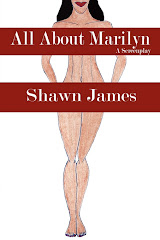
I recently finished doing my first commission job, a page layout and editing project for another author. I’ve shied away from doing these types of projects for years, fearing an appearance on The People’s Court if things didn’t go well. But to my surprise this project went very well. The client was very happy with the finished book.
Normally I work more on the creative side of writing than the technical side of publishing, but this was a very enjoyable experience to apply my skills and experience towards completing a more technical publishing project from start to finish. Page layouts and cover design are usually the last things I do when I’m putting a book together, but things on this one came together fairly quickly:
From the customer’s materials I was able to put together a very attractive cover and page layout. Having self-published my own books, I didn’t want her first book to fall victim to the series of mistakes on my first two books. This one follows the rules in the Chicago Manual of Style for front matter, has clean copy and almost no errors (I'm only human). I feel it would fit right in on a bookstore shelf.
Would I do another editing/layout job? Probably. Would I do a commission/assigned writing job? I’d be open to give it a shot. It really depends on the specs and if the client was realistic about what they wanted. I’m always open to new experiences and further developing my skills as a writer/self-publisher.
Saturday, May 29, 2010

I don't find anything Precious about "Precious"
Before I saw Lee Daniel’s “Precious” I perceived it as a poorly made exploitative racist film that perpetuates the worst stereotypes about black people. Six months later and eight dollars poorer after watching Lee Daniels’ “Precious” at a matinee, I still see the movie as a poorly made exploitative racist film that perpetuates the worst stereotypes about black people. Critics hail this movie as a masterpiece of film-making, I regard it as the most offensive film since Birth of a Nation.
Adapted from the novel “Push” by Sapphire Precious is tells the story of Clarice “Precious” Jones, a morbidly obese sixteen-year old with a lot of issues. Stuck in the eighth grade reading at a second grade level, She’s pregnant for the second time by her father, a nameless man mixed among a montage of bacon grease and Vaseline. Kicked out of school, she’s sent home to her mother Mary, a foul-mouthed stereotypical Regan era welfare queen who only cares about making welfare money off her daughter and keeping her case open so she cans sit on her butt and watch TV all day.After getting knocked out by moms and in between a profanity laced argument between Mary and Precious we watch as the enthusiastic Principal (who was apathetic as she kicked Precious out of her wonderful public school) comes out in the rain (This doesn’t happen in real life. I went to public school in the 1980’s and no one came out to your house; they just pushed you to the next grade regardless of your grades) to tell her about Each One, Teach One, an alternative school where she can get her GED. Oh Precious can get an education but just not in HER school. Don’t you just love the liberal hypocrisy!
The next day (or a few weeks later can’t really tell in this movie because the transitions are so choppy in this incoherent movie)Precious over her mother’s objections (she wants her to be a welfare queen like her) signs up for Each One Teach One, an alternative school full of colorful clichéd characters like Stand By Me, Welcome Back Kotter, Stand and Deliver, or whatever teen movie they were pulled from so she can work towards getting her GED. The class is led by Miss Blu Rain, an attractive light skinned woman and one of many light skinned/white saviors featured prominently in this movie. We’re also introduced to Ms. Weiss, a haggard welfare caseworker, another light/white savior. While getting ready for her first day at her new school, Precious sees herself as a skinny blonde white girl. (A pitiful attempt at symbolizing her self-hate) Shawn wanted to see about getting a refund for his movie ticket but didn’t want drama. So he endured another hour and a half of nonsense, including a visual of Precious and Mom in a scene from an Italian movie she’s watching on PBS one night.
As her fellow students help Precious on the road towards literacy, and a healthy pregnancy, Problems pile up on ol’ perpetual victim Precious. In between fights, guys dissing her and tripping her up, Her mom yelling at her for not cooking the pig feet and Macaroni and cheese right, Mary and Precious and her grandmother try to pull a fast one on welfare case worker which makes home visits. There we meet Mongol, Precious’ daughter born with Down Syndrome that stays with her grandmother so she can keep the welfare duckets rolling in.
But wait a minute there’s a BIG PLOTHOLE HERE. Wouldn’t Mary want Precious to keep Mongol and take care of her herself instead of parceling her off to grammy? SSI (Supplemental Security Income) paid $400 a month for kids with disabilities back then. And SSI checks (paid for by Social Security, a branch of the Federal government) don’t count towards income on welfare cases. Also, being a parent or guardian to kids with disabilities entitles parents (and relatives) to qualify for a Section 8 voucher (another federal program) and Section 8 housing. But Mary must be one of those illiterate Welfare queens who is SMART ENOUGH TO MANIPULATE CASE WORKERS for a STATE WELFARE CHECK but DOESN’T KNOW HOW TO MILK THE FEDERAL SYSTEM FOR SOCIAL SECURITY BENEFITS.
Oh yeah, and welfare case workers didn’t make home visits back then. I grew up on welfare back in the 80’s as a kid in New York City and Case workers NEVER came for home visits (TOO DANGEROUS). Every visit to welfare offices in the 1980s was face-to-face at the HRA office (sat in many a waiting room during my childhood).
After the welfare mess is settled, the movie lightens up as precious steals some chicken, (Even though this would have been nigh impossible due to all the INCH THICK BULLETPROOF GLASS in eating establishments back then in the South Bronx and Harlem Plus customers placed their orders and paid FIRST.) Enjoying her snack, precious soon gets sick, and pukes, then off to class where the labor pains kick in. We meet Precious’ dream man and the Sweathogs rally behind their classmate for some happy times.
After Abdul is born and Precious leaves the confines of the hospital and her light skinned dream man orderly, Mary welcomes her grandson home by slamming the baby to the floor and attacking Precious in a violent assault which climaxes with Mary throwing her color TV five stories down and missing her by an inch. Precious then breaks into Each one teach one with her baby and the movie starts falling apart. After a struggle with City services, (no help) Miss Rain allows the now homeless Precious to stay with her. It’s here that we find out Miss Rain’s a lesbian (not that this has any relevance to the plot, other than to reflect Sapphire’s and Mr. Daniels sexual orientation.) Big deal.
Soon after Precious finds temporary shelter at a halfway house, we get some mumbo jumbo about workfare (which actually didn’t start until 1988) and home health aide training for a minimum wage job that could stop Precious from achieving her GED, but none of this is developed or explored. This all reaches a climax as Precious is told in the halfway house by her mother that her daddy has died of AIDS and she should get tested. Soon after that we learn Precious has HIV as well. It’s not soon after this that Precious reveals things to Miss Weiss (but not before stealing her case file, and reads what’s in it with her each one teach one buddies.)
A few months later (Again, hard to tell due to the choppy transitions in this movie) in the social service office the empowered Precious who can now read and write at an eighth grade level has a confrontation with her mother where mom breaks down and confesses to all the abuse Precious has endured. Giving up once confronted by the White establishment, she hands her back Mongol and Precious goes off with her kids and we’re supposed to believe she has hope for a brighter future.
BULL SHIT.
I mean seriously WTF? WHERE’S THE HOPE? HIV IN 1987 is a DEATH SENTENCE. AZT which was STILL IN CLINICAL TRIALS hasn’t been RELEASED TO THE PUBLIC YET. (It was released in 1990 for prescriptions). THE DIVISION OF AIDS SERVICES IN NYC HASN’T BEEN ESTABLISHED YET. In reality, due to the lack of financial resources, medical resources and medical technology back then, po’ Precious would have GOTTEN FULL BLOWN AIDS AND DIED in 1988 or 1989 and her kids would wind up WARDS OF THE STATE or BACK WITH MARY WHO WOULD HAVE MILKED THE HELL OUT OF THOSE KIDS DISABILITES TO GET AL THE GOOD GOVERNMENT BENEFITS. And the most Precious would have gotten for all her hard work was a patch on the AIDS QUILT if Miss Rain could arrange it. (Remember that patchwork of thousands of AIDS victims unfurled every year in DC? It’s currently in storage somewhere at the Smithsonian while the AIDS pandemic continues to claim victims worldwide)
Precious isn’t a deep thought-provoking film. Director Lee Daniels uses exploitative images to deflect the viewer’s attention from shallow storytelling and weak character development. The viewer’s emotions are so caught up watching the graphic violence, profanity, sex, and twisted behavior of the characters that they have no idea they’ve been swindled by a con artist.
Precious isn’t inspiring, nor does it uplift. It’s an emotionally manipulative film that secretly masks a shameless cash grab by a consortium of self-hating uncle toms (Daniels, Sapphire, Fletcher) who with the aid of Oprah Winfrey and Tyler Perry seek to pander to white America and sell them the story about black life they’re most comfortable with. This group of sell-outs laughed all the way to the bank at the expense of Black America; thanks to this film adding to the current trend of degrading images, a generation of brothers and sisters are now going to grow up thinking the behavior in this movie is the rule for black life and not the exception.
What’s even more dangerous than the twisted visuals within Precious are the institutionally racist themes in the undertones of the message in this movie. Underneath the false messages of love and hope, is a message that African-Americans are inferior. In Precious “White” is right; Everyone who approves of Precious is either white or light skinned and without the validation and approval of these individuals she can’t overcome the odds. Dark skinned black people are seen as inhuman, savage, and violent. They only speak in profanities and act like barbarians. Without the help of the white establishment (government services) to educate blacks there’s no way for Precious to become “civilized” functional person. Only when whites love and approve of Precious her can she learn to love herself. What a load of CRAP.
Director Lee Daniels takes his self-hate to a new level of depravity surpassing the degrading images he presented to the public in Monster’s Ball. In between his clumsy and inept visuals we have the same old racist stereotypes from the Antebellum South repackaged in a brand new box. We have the big illiterate who must be saved by the great white society, the fat welfare queen mammy who only speaks in a dialect of profanities, the anonymous faceless black male who is depicted as a monster but never developed as a full character, the nappy headed child who follows Precious around, and the light skinned and white heroes who teach our hero to love herself. Ideas about what black life should be like straight from the Ku Klux Klan from a black man more dangerous to African-Americans than the KKK, Skinheads, and the Aryan Nation combined. Seriously, if Daniels could get$60 million in ticket sales out of brothers and sisters and has the influence to win international acclaim for this patronizing, self-hating, anti-black propaganda, I shudder at what else he could be capable of.
What angers me more than this movie is what transpired behind the camera. Behind the scenes, Mr. Daniels showed a lack of integrity in promoting this film. Knowing that Precious would have African-Americans seen in a negative light, he still released it at Cannes anyway as a “story of hope”. That shows malice of forethought and a depraved indifference to his brothers and sisters in the black community. I truly loathe this man and everything that he stands for. With every film he makes he sets the African-American community back a century. It doesn’t matter that he’s hurt the future of the black community with his movies, he’s got his millions right now.
There’s nothing “Precious” about this movie. It’s pornography masquerading as art.
Anyone with an iota of black pride should avoid this movie and any other Lee Daniels films. They’re TOXIC.
Adapted from the novel “Push” by Sapphire Precious is tells the story of Clarice “Precious” Jones, a morbidly obese sixteen-year old with a lot of issues. Stuck in the eighth grade reading at a second grade level, She’s pregnant for the second time by her father, a nameless man mixed among a montage of bacon grease and Vaseline. Kicked out of school, she’s sent home to her mother Mary, a foul-mouthed stereotypical Regan era welfare queen who only cares about making welfare money off her daughter and keeping her case open so she cans sit on her butt and watch TV all day.After getting knocked out by moms and in between a profanity laced argument between Mary and Precious we watch as the enthusiastic Principal (who was apathetic as she kicked Precious out of her wonderful public school) comes out in the rain (This doesn’t happen in real life. I went to public school in the 1980’s and no one came out to your house; they just pushed you to the next grade regardless of your grades) to tell her about Each One, Teach One, an alternative school where she can get her GED. Oh Precious can get an education but just not in HER school. Don’t you just love the liberal hypocrisy!
The next day (or a few weeks later can’t really tell in this movie because the transitions are so choppy in this incoherent movie)Precious over her mother’s objections (she wants her to be a welfare queen like her) signs up for Each One Teach One, an alternative school full of colorful clichéd characters like Stand By Me, Welcome Back Kotter, Stand and Deliver, or whatever teen movie they were pulled from so she can work towards getting her GED. The class is led by Miss Blu Rain, an attractive light skinned woman and one of many light skinned/white saviors featured prominently in this movie. We’re also introduced to Ms. Weiss, a haggard welfare caseworker, another light/white savior. While getting ready for her first day at her new school, Precious sees herself as a skinny blonde white girl. (A pitiful attempt at symbolizing her self-hate) Shawn wanted to see about getting a refund for his movie ticket but didn’t want drama. So he endured another hour and a half of nonsense, including a visual of Precious and Mom in a scene from an Italian movie she’s watching on PBS one night.
As her fellow students help Precious on the road towards literacy, and a healthy pregnancy, Problems pile up on ol’ perpetual victim Precious. In between fights, guys dissing her and tripping her up, Her mom yelling at her for not cooking the pig feet and Macaroni and cheese right, Mary and Precious and her grandmother try to pull a fast one on welfare case worker which makes home visits. There we meet Mongol, Precious’ daughter born with Down Syndrome that stays with her grandmother so she can keep the welfare duckets rolling in.
But wait a minute there’s a BIG PLOTHOLE HERE. Wouldn’t Mary want Precious to keep Mongol and take care of her herself instead of parceling her off to grammy? SSI (Supplemental Security Income) paid $400 a month for kids with disabilities back then. And SSI checks (paid for by Social Security, a branch of the Federal government) don’t count towards income on welfare cases. Also, being a parent or guardian to kids with disabilities entitles parents (and relatives) to qualify for a Section 8 voucher (another federal program) and Section 8 housing. But Mary must be one of those illiterate Welfare queens who is SMART ENOUGH TO MANIPULATE CASE WORKERS for a STATE WELFARE CHECK but DOESN’T KNOW HOW TO MILK THE FEDERAL SYSTEM FOR SOCIAL SECURITY BENEFITS.
Oh yeah, and welfare case workers didn’t make home visits back then. I grew up on welfare back in the 80’s as a kid in New York City and Case workers NEVER came for home visits (TOO DANGEROUS). Every visit to welfare offices in the 1980s was face-to-face at the HRA office (sat in many a waiting room during my childhood).
After the welfare mess is settled, the movie lightens up as precious steals some chicken, (Even though this would have been nigh impossible due to all the INCH THICK BULLETPROOF GLASS in eating establishments back then in the South Bronx and Harlem Plus customers placed their orders and paid FIRST.) Enjoying her snack, precious soon gets sick, and pukes, then off to class where the labor pains kick in. We meet Precious’ dream man and the Sweathogs rally behind their classmate for some happy times.
After Abdul is born and Precious leaves the confines of the hospital and her light skinned dream man orderly, Mary welcomes her grandson home by slamming the baby to the floor and attacking Precious in a violent assault which climaxes with Mary throwing her color TV five stories down and missing her by an inch. Precious then breaks into Each one teach one with her baby and the movie starts falling apart. After a struggle with City services, (no help) Miss Rain allows the now homeless Precious to stay with her. It’s here that we find out Miss Rain’s a lesbian (not that this has any relevance to the plot, other than to reflect Sapphire’s and Mr. Daniels sexual orientation.) Big deal.
Soon after Precious finds temporary shelter at a halfway house, we get some mumbo jumbo about workfare (which actually didn’t start until 1988) and home health aide training for a minimum wage job that could stop Precious from achieving her GED, but none of this is developed or explored. This all reaches a climax as Precious is told in the halfway house by her mother that her daddy has died of AIDS and she should get tested. Soon after that we learn Precious has HIV as well. It’s not soon after this that Precious reveals things to Miss Weiss (but not before stealing her case file, and reads what’s in it with her each one teach one buddies.)
A few months later (Again, hard to tell due to the choppy transitions in this movie) in the social service office the empowered Precious who can now read and write at an eighth grade level has a confrontation with her mother where mom breaks down and confesses to all the abuse Precious has endured. Giving up once confronted by the White establishment, she hands her back Mongol and Precious goes off with her kids and we’re supposed to believe she has hope for a brighter future.
BULL SHIT.
I mean seriously WTF? WHERE’S THE HOPE? HIV IN 1987 is a DEATH SENTENCE. AZT which was STILL IN CLINICAL TRIALS hasn’t been RELEASED TO THE PUBLIC YET. (It was released in 1990 for prescriptions). THE DIVISION OF AIDS SERVICES IN NYC HASN’T BEEN ESTABLISHED YET. In reality, due to the lack of financial resources, medical resources and medical technology back then, po’ Precious would have GOTTEN FULL BLOWN AIDS AND DIED in 1988 or 1989 and her kids would wind up WARDS OF THE STATE or BACK WITH MARY WHO WOULD HAVE MILKED THE HELL OUT OF THOSE KIDS DISABILITES TO GET AL THE GOOD GOVERNMENT BENEFITS. And the most Precious would have gotten for all her hard work was a patch on the AIDS QUILT if Miss Rain could arrange it. (Remember that patchwork of thousands of AIDS victims unfurled every year in DC? It’s currently in storage somewhere at the Smithsonian while the AIDS pandemic continues to claim victims worldwide)
Precious isn’t a deep thought-provoking film. Director Lee Daniels uses exploitative images to deflect the viewer’s attention from shallow storytelling and weak character development. The viewer’s emotions are so caught up watching the graphic violence, profanity, sex, and twisted behavior of the characters that they have no idea they’ve been swindled by a con artist.
Precious isn’t inspiring, nor does it uplift. It’s an emotionally manipulative film that secretly masks a shameless cash grab by a consortium of self-hating uncle toms (Daniels, Sapphire, Fletcher) who with the aid of Oprah Winfrey and Tyler Perry seek to pander to white America and sell them the story about black life they’re most comfortable with. This group of sell-outs laughed all the way to the bank at the expense of Black America; thanks to this film adding to the current trend of degrading images, a generation of brothers and sisters are now going to grow up thinking the behavior in this movie is the rule for black life and not the exception.
What’s even more dangerous than the twisted visuals within Precious are the institutionally racist themes in the undertones of the message in this movie. Underneath the false messages of love and hope, is a message that African-Americans are inferior. In Precious “White” is right; Everyone who approves of Precious is either white or light skinned and without the validation and approval of these individuals she can’t overcome the odds. Dark skinned black people are seen as inhuman, savage, and violent. They only speak in profanities and act like barbarians. Without the help of the white establishment (government services) to educate blacks there’s no way for Precious to become “civilized” functional person. Only when whites love and approve of Precious her can she learn to love herself. What a load of CRAP.
Director Lee Daniels takes his self-hate to a new level of depravity surpassing the degrading images he presented to the public in Monster’s Ball. In between his clumsy and inept visuals we have the same old racist stereotypes from the Antebellum South repackaged in a brand new box. We have the big illiterate who must be saved by the great white society, the fat welfare queen mammy who only speaks in a dialect of profanities, the anonymous faceless black male who is depicted as a monster but never developed as a full character, the nappy headed child who follows Precious around, and the light skinned and white heroes who teach our hero to love herself. Ideas about what black life should be like straight from the Ku Klux Klan from a black man more dangerous to African-Americans than the KKK, Skinheads, and the Aryan Nation combined. Seriously, if Daniels could get$60 million in ticket sales out of brothers and sisters and has the influence to win international acclaim for this patronizing, self-hating, anti-black propaganda, I shudder at what else he could be capable of.
What angers me more than this movie is what transpired behind the camera. Behind the scenes, Mr. Daniels showed a lack of integrity in promoting this film. Knowing that Precious would have African-Americans seen in a negative light, he still released it at Cannes anyway as a “story of hope”. That shows malice of forethought and a depraved indifference to his brothers and sisters in the black community. I truly loathe this man and everything that he stands for. With every film he makes he sets the African-American community back a century. It doesn’t matter that he’s hurt the future of the black community with his movies, he’s got his millions right now.
There’s nothing “Precious” about this movie. It’s pornography masquerading as art.
Anyone with an iota of black pride should avoid this movie and any other Lee Daniels films. They’re TOXIC.
Saturday, May 22, 2010
BURN HOLLYWOOD BURN!
Burn Hollywood Burn,
I smell a riot goin’ on,
Now they’re guilty now they’re gone,
Yeah, I’ll check out a movie,
But it’ll take a black one to move me.
For those of us old enough to remember the old PE Jam Check it out on YouTube
Not anymore.
The classic Public Enemy rap jam had the right idea. Hollywood needs to Burn. Burn in Hell. The recent trend in movies depicting African-Americans as po’ desperate nigras is so racist and offensive I want to head to L.A with some torches.
Seriously, movies like The Green Mile, Monster’s Ball, Precious, The Blind Side, and the upcoming Frankie & Alice make me mad.
Scratch that, they ENRAGE ME.
Why? This new trend of movies featuring images of po’ downtrodden nigras™ make me sick to my stomach. In allegedly enlightened White liberal Hollywood there seems to be a patronizing attitude towards African-Americans showing up onscreen lately. In the undertones of the films I’ve mentioned is an underlying message that African-Americans aren’t intelligent people capable of making their own way in life without a white savior. It’s a condescending view of Blacks and black life that the rest of the world should have outgrown in its media when Diff’rent Strokes was cancelled.
I thought America was moving past these types of exploitative movies when The Cosby Show debuted to blockbuster ratings in 1984 when I was 11 and filmmakers like Spike Lee, Robert Townsend and Mario Van Peebles were crafting films with more balanced images of Black life a few years later when I was a teenager.
Unfortunately, instead of their work ushering in a new golden age of Black cinema that takes brothers and sisters to the next level cinematically and elevates the black consciousness, Hollywood is turning the clock back to the good ol’ pre-1984 days of hustlin’ jive ass-niggers, pimps, hoes, big fat loud mouth mammies, shufflin’ uncle toms and every other racist stereotype ever depicted featuring African-Americans onscreen in the past century in brand new shiny packages.
Hollywood 2010 feels a lot like Hollywood back in 1930.
It’s frustrating to watch as black people who should know better like Lee Daniels, Tyler Perry and Oprah Winfrey make and produce this nonsense.
It’s more frustrating to watch as film critics hail these racist movies as well-made films and laud them with praise.
It’s even more frustrating to watch as black actors and actresses proudly win industry Awards for playing embarrassing and degrading roles.
But what angers me most of all are the masses of brothas and sistas PAYING MONEY TO SEE THIS SHIT INSTEAD OF PROTESTING IT.
Is black America as a group so broken and dysfunctional that it doesn’t stand up and speak out anymore? Do black people have any dignity? Or has BET sapped it all away with its ignominious portrayals of black life?
It hurts my heart to watch as a generation of young brothas and sistas drink in the poison within narrow-minded images in these movies as a picture of what black life should be. I’m mortified knowing many will grow up believing these stereotypes and institutionally racist pathos are how “normal” black people live.
It saddens me that a generation of brothas and sistas won’t grow up like I did and be blessed to watch a Cosby Show, a Fresh Prince, a Roc, a Sister, Sister, or a Smart Guy and see that there’s a world of hardworking, competent, functional black people who don’t live in a ghetto. What’s worse is that because brothas and sistas don’t have these images in front of them they won’t come to think that anything is possible if they set their mind to it.
Almost two years after helping to elect the first African-American president, the liberal hypocrites in Hollywood refuse to promote any new, positive images of African-Americans in their movies or TV shows. Instead of “changing” of their images of blacks in media to reflect the man they helped put in the White House, they arrogantly they continue to perpetuate a blackout of African-Americans on network TV and perpetuate the most racist stereotypes in feature films and cable television.
All while stating they’re “not racist”.
Fuck Hollywood. Let’s make our own movies.
I smell a riot goin’ on,
Now they’re guilty now they’re gone,
Yeah, I’ll check out a movie,
But it’ll take a black one to move me.
For those of us old enough to remember the old PE Jam Check it out on YouTube
Not anymore.
The classic Public Enemy rap jam had the right idea. Hollywood needs to Burn. Burn in Hell. The recent trend in movies depicting African-Americans as po’ desperate nigras is so racist and offensive I want to head to L.A with some torches.
Seriously, movies like The Green Mile, Monster’s Ball, Precious, The Blind Side, and the upcoming Frankie & Alice make me mad.
Scratch that, they ENRAGE ME.
Why? This new trend of movies featuring images of po’ downtrodden nigras™ make me sick to my stomach. In allegedly enlightened White liberal Hollywood there seems to be a patronizing attitude towards African-Americans showing up onscreen lately. In the undertones of the films I’ve mentioned is an underlying message that African-Americans aren’t intelligent people capable of making their own way in life without a white savior. It’s a condescending view of Blacks and black life that the rest of the world should have outgrown in its media when Diff’rent Strokes was cancelled.
I thought America was moving past these types of exploitative movies when The Cosby Show debuted to blockbuster ratings in 1984 when I was 11 and filmmakers like Spike Lee, Robert Townsend and Mario Van Peebles were crafting films with more balanced images of Black life a few years later when I was a teenager.
Unfortunately, instead of their work ushering in a new golden age of Black cinema that takes brothers and sisters to the next level cinematically and elevates the black consciousness, Hollywood is turning the clock back to the good ol’ pre-1984 days of hustlin’ jive ass-niggers, pimps, hoes, big fat loud mouth mammies, shufflin’ uncle toms and every other racist stereotype ever depicted featuring African-Americans onscreen in the past century in brand new shiny packages.
Hollywood 2010 feels a lot like Hollywood back in 1930.
It’s frustrating to watch as black people who should know better like Lee Daniels, Tyler Perry and Oprah Winfrey make and produce this nonsense.
It’s more frustrating to watch as film critics hail these racist movies as well-made films and laud them with praise.
It’s even more frustrating to watch as black actors and actresses proudly win industry Awards for playing embarrassing and degrading roles.
But what angers me most of all are the masses of brothas and sistas PAYING MONEY TO SEE THIS SHIT INSTEAD OF PROTESTING IT.
Is black America as a group so broken and dysfunctional that it doesn’t stand up and speak out anymore? Do black people have any dignity? Or has BET sapped it all away with its ignominious portrayals of black life?
It hurts my heart to watch as a generation of young brothas and sistas drink in the poison within narrow-minded images in these movies as a picture of what black life should be. I’m mortified knowing many will grow up believing these stereotypes and institutionally racist pathos are how “normal” black people live.
It saddens me that a generation of brothas and sistas won’t grow up like I did and be blessed to watch a Cosby Show, a Fresh Prince, a Roc, a Sister, Sister, or a Smart Guy and see that there’s a world of hardworking, competent, functional black people who don’t live in a ghetto. What’s worse is that because brothas and sistas don’t have these images in front of them they won’t come to think that anything is possible if they set their mind to it.
Almost two years after helping to elect the first African-American president, the liberal hypocrites in Hollywood refuse to promote any new, positive images of African-Americans in their movies or TV shows. Instead of “changing” of their images of blacks in media to reflect the man they helped put in the White House, they arrogantly they continue to perpetuate a blackout of African-Americans on network TV and perpetuate the most racist stereotypes in feature films and cable television.
All while stating they’re “not racist”.
Fuck Hollywood. Let’s make our own movies.
Monday, May 17, 2010
DOES ANYBODY READ THIS THING?
Okay, I have a question for everyone out there:
Does anybody read this thing?
Or am I typing into cyberspace to the chirps of crickets?
Do I have an audience of readers?
Where is everybody?
I sometimes wonder how many people actually come to this blog. Who are my readers? Where do they come from? Do they like what they read? Or do they hate it?
Over the past couple of years the comments section has been well…dead.
However, since I’ve been writing the Hollywood and screenwriting stuff I’ve been getting some traffic. A blip. Should I continue to write those types of articles? Is anyone buying my books as a result of reading this blog? Checking me out on Twitter? Facebook?
I’d love to hear more from readers. I’d like to get to know you better. Take a minute and post a comment. Let me know what you’re thinking.
Does anybody read this thing?
Or am I typing into cyberspace to the chirps of crickets?
Do I have an audience of readers?
Where is everybody?
I sometimes wonder how many people actually come to this blog. Who are my readers? Where do they come from? Do they like what they read? Or do they hate it?
Over the past couple of years the comments section has been well…dead.
However, since I’ve been writing the Hollywood and screenwriting stuff I’ve been getting some traffic. A blip. Should I continue to write those types of articles? Is anyone buying my books as a result of reading this blog? Checking me out on Twitter? Facebook?
I’d love to hear more from readers. I’d like to get to know you better. Take a minute and post a comment. Let me know what you’re thinking.
Monday, May 10, 2010
All About the Kindle

All About Marilyn is now available in the Kindle format on Amazon.com. So for all the ebook readers out there, now you have the option of buying Marilyn and downloading it to your kindle, nook, ipad or other electronic reading device for the low low price of $9.99.
This is the first book I’ve published in both electronic and print versions. I’m hoping to get The Cassandra Cookbook on Kindle soon as I fix some spelling and grammar issues.
Tuesday, May 04, 2010
I've got a best seller - I think
I’ve got a best seller! I’ve got a best seller!
Well, for a couple of days.
I recently found out All About Marilyn was in the top 100 list of best-selling screenplays on amazon.com. Last Saturday it was #38th top seller in the Screenplay category. Is it a best-seller? Could it be a best seller? Hey, I don’t know until the royalty report comes in. I just take the good news as it comes.
I’m just pleased to have a script that competes in paperback sales with scripts by heavyweights such as Quentin Tarentino and Kevin Smith. It speaks volumes about how strong this script is and how far it's grown from it's self-published roots.
Amazon’s listings aren't the New York Times, but I’m proud to know Marilyn is doing better than any title I’ve produced in my short career. I’m hoping I can build on the momentum and get the word out about this story; I feel it’s one of the best books I’ve written.
I’m urging everyone to go out and get themselves a copy of All About Marilyn. It’s a great story and I’m sure you’ll enjoy it.
Well, for a couple of days.
I recently found out All About Marilyn was in the top 100 list of best-selling screenplays on amazon.com. Last Saturday it was #38th top seller in the Screenplay category. Is it a best-seller? Could it be a best seller? Hey, I don’t know until the royalty report comes in. I just take the good news as it comes.
I’m just pleased to have a script that competes in paperback sales with scripts by heavyweights such as Quentin Tarentino and Kevin Smith. It speaks volumes about how strong this script is and how far it's grown from it's self-published roots.
Amazon’s listings aren't the New York Times, but I’m proud to know Marilyn is doing better than any title I’ve produced in my short career. I’m hoping I can build on the momentum and get the word out about this story; I feel it’s one of the best books I’ve written.
I’m urging everyone to go out and get themselves a copy of All About Marilyn. It’s a great story and I’m sure you’ll enjoy it.
Monday, April 26, 2010
Book #5 Teaser
I’m making more progress on Book #5 than Book #4–
Okay, enough of the secrecy.
I always play my cards real close to the vest when it comes to upcoming titles. I usually don’t want to spoil the reveal for readers. This isn’t final art; just a quick sketch and some Photoshopping of what I’d like for Book #5’s cover. (TEASER IMAGE COMING UP!)

All About Nikki is the companion to All About Marilyn. It’s written in the screenplay format and the storyline for the First Season is split among eleven episodes. (Truncated from 14 episodes due to page counts) The concept is The Fresh Prince of Bel-Air Meets Clueless. It’s written and designed for a Tween/YA audience, so there’s no profanity, sex or any adult themes. But there are plenty of laughs. Nikki is a sitcom, and jokes come with the medium.
The draft for this cover art uses the same abstract style as Marilyn, but adds a splash of Tiffany-esque color to the mix. I couldn’t use the official Tiffany blue (trademarked) so I substituted light blue for it.
The concept for this book is DVD boxset meets paperback. Just like in Marilyn, there will be bonus material to help aspiring screenwriters learn the proper form for writing their own TV episodes.
I’m excited about this book; it’s a project that kinda came out of nowhere when I was editing All About Marilyn. I wanted to do a couple of bonus Nikki episodes for the back of Marilyn, but the writing went in its own direction. By the fall of 2009 I had 14 episodes completed and Nikki got her own book.
I’m cleaning up the grammar and working on the layouts for the cover and the interior. It should be ready for print by the end of this year or next year. Season 2 is in the works as we speak.
Now I only have to get my finances in order for a print run…
Okay, enough of the secrecy.
I always play my cards real close to the vest when it comes to upcoming titles. I usually don’t want to spoil the reveal for readers. This isn’t final art; just a quick sketch and some Photoshopping of what I’d like for Book #5’s cover. (TEASER IMAGE COMING UP!)

All About Nikki is the companion to All About Marilyn. It’s written in the screenplay format and the storyline for the First Season is split among eleven episodes. (Truncated from 14 episodes due to page counts) The concept is The Fresh Prince of Bel-Air Meets Clueless. It’s written and designed for a Tween/YA audience, so there’s no profanity, sex or any adult themes. But there are plenty of laughs. Nikki is a sitcom, and jokes come with the medium.
The draft for this cover art uses the same abstract style as Marilyn, but adds a splash of Tiffany-esque color to the mix. I couldn’t use the official Tiffany blue (trademarked) so I substituted light blue for it.
The concept for this book is DVD boxset meets paperback. Just like in Marilyn, there will be bonus material to help aspiring screenwriters learn the proper form for writing their own TV episodes.
I’m excited about this book; it’s a project that kinda came out of nowhere when I was editing All About Marilyn. I wanted to do a couple of bonus Nikki episodes for the back of Marilyn, but the writing went in its own direction. By the fall of 2009 I had 14 episodes completed and Nikki got her own book.
I’m cleaning up the grammar and working on the layouts for the cover and the interior. It should be ready for print by the end of this year or next year. Season 2 is in the works as we speak.
Now I only have to get my finances in order for a print run…
Saturday, April 17, 2010
Thoughts on Tyler Perry
Thoughts on Tyler Perry
Tyler Perry is a very gifted man. I respect what he’s trying to do as a playwright and a film-maker.
I just don’t like how he’s doing it.
My issues with Perry regarding his films are his lack craft when it comes to screenwriting. What’s worse is he’s making no efforts to improve the quality of his writing. Almost ten films in and he still hasn’t grown enough in his craft to effectively tell a story on the screen. After seeing him make a series of disastrous mistakes in the recent Why Did I Get Married Too I can no longer support his films.
Perry continues uses a stage play model for his films and this is hampering the quality of his work as a film-maker. Using the stage model for storytelling in his screenplays slows down the pace of his films and prevents him from effectively telling a story onscreen. Screen and stage writing are two different performance mediums; each has its own unique structures and form for storytelling. Perry needs to learn the basics about screenwriting before making another film.
Perry’s first mistake in writing his screenplays is telling instead of showing. On stage, characters can tell the audience about fine ladies going to church, Drug dealers selling crack in the neighborhood or a woman being slapped. On film, these expository sequences DRAG a film to a CRAWL. It’s BORING.
For film to have an IMPACT on the audience they need to SEE the church ladies in THEIR SUNDAY BEST PASTEL SUITS headed up the steps of the FIRST BAPTIST CHURCH, the audience needs to SEE the CRACK DEALERS ON THE CORNER OF FIFTH STREET PEDDLING ROCK. They need to SEE the WIFE BEING BACKHANDED BY HER HUSBAND FOR BURNING THE DAMN GRITS AGAIN.
Films are about ACTION. They’re about SHOWING what’s going on NOW. The actions the people take in a screenplay NOW define their CHARACTER. On film, CHARACTER is what people DO not what they SAY. There’s no need to TELL the audience what’s going on, SHOW THEM.
Second, Perry’s plots and storylines are weak. Again, this is because he insists on using a stage model for the screen. In a stage play a writer can have several storylines going on at once. However, on film, the main storyline has to get started FIRST, and the SUBPLOTS later. Movie audiences need to know immediately: Who is the main character? What do they want? What’s keeping them from getting what they want? And more importantly: WHY SHOULD WE CARE?
In most of Perry’s films there is little to no focus on the main character in the first ten minutes of the film. We meet supporting characters like Madea, Joe, Mr. Brown…and then ten or twelve minutes later the main character shows up to start the movie’s primary storyline. This confuses viewers. It prevents the audience from getting to know the main character and caring about their story.
Seriously, Perry needs to introduce us to the main character in the first frame of the film, and let that character show the audience what she wants to achieve BEFORE bringing in Madea, Joe or Mr. Brown.
Third, Perry’s dialogue doesn’t work on the screen. His characters talk too much, and in many cases they talk about nothing. In a stage play dialogue can say exactly what they’re doing, but in a screenplay it’s called “on the nose” and it’s a sign of a bad screenwriting.
In a screenplay, dialogue has more than one purpose. Dialogue in a screenplay not only advances the plot, but it reveals the characters to the audience. Dialogue shows the audience a character’s personality, their “voice”; the words they use have a subtext. The audience has to read between the lines of what they’re saying to get to know them and what they’re really about.
Fourth, Perry doesn’t develop his characters into three-dimensional people. In most of his films characters are either one extreme, good or bad. This one-dimensional portrayal of people turns most of the characters in his films into caricatures, not real people the audience can identify with and relate to on a human level. In real life people aren’t black or white, good or bad, they’re shades of gray. And it’s these various shades of gray that create depth, texture, and layers and give characters a unique complexity that intrigue viewers.
Because of this lack of complexity in Perry’s characters, the people in his movies come out of the story at the conclusion just like they went in at the beginning. No one ever learns a lesson from their experiences, issues and conflicts are never really dealt with, and the audience never sees anyone growing into a stronger person from their ordeals. In most Perry movies, the heroine never really does anything to help herself; the man of their dreams beats the bad guy, sweeps her off her feet, they get married and live happily ever after. Real life isn’t that simple.
And neither is life in good movies.
In good films, characters undergo irreversible changes at the climax of the story. These turn of events transforms the characters into people who are totally different than the people who started at the beginning of the film. It makes the audience think about what they’ve seen and drives the writer’s message home.
Now my other series of beefs with Perry are his lack of craft as a filmmaker. His sequences are often clumsy. In his films a series of scenes don’t lead into another sequence of scenes and these transitions prevent the story from being told effectively onscreen.
Perry often shoots his films similar to the way his stage plays are filmed in a “Master Shot”. While a “Master Shot” works well for a stage play, shooting action on film is different. Action in one scene takes place with numerous shots: Pans, close-ups, Cut, smash cuts, A single scene in a movie is made up of twenty or different frames of film, not just one or two. Action is going on all around the viewer, and they need to see it all. Perry needs to invest in a good cinematographer and film editor so his stories have a distinct feel that is clearly Tyler Perry.
Tyler Perry has come a long way, and I respect the brotha for that. But he really needs to take some time to learn more about the craft of screenwriting instead of churning out poorly written and poorly made films for black audiences. Short-term he’s making lots of money on audiences of desperate black moviegoers starved for product by providing a large quantity of movies. But he’s hurting the long-term quality of his brand.
Perry can’t build his studio’s reputation on just films and television series from his stage plays. To expand his business, he needs to further develop his skills and craft. Perry has to transition out of a “stage” mindset into a “screen” mindset. That’s going to require that he learn an entirely new set of skills.
To get in a “screen” mindset I’d suggest Perry read Syd Field’s Screenplay for starters. And Follow it up with Robert Mckee’s Story. Then I’d suggest he read some classic screenplays like Sunset Boulevard, The Hustler, Marty, Big, Chinatown, Summer of ’42, Training Day and Do The Right Thing so he can learn how a good screenplay’s storyline is structured, and how characters are developed.
Instead of insulting Spike Lee, I feel he should listen to the brother’s criticisms. Lee has over 25 years of experience and knows how films work. His movies are classics. His comments about “coonery” are valid. The African-American audience is diverse and there is more than one “black” experience; Perry needs to learn about what his audience wants. Long-term, Perry’s single-minded focus on entertaining the “Southern chitin circuit” with urban stories about downtrodden women won’t help him get the national and international support needed to expand his expand his burgeoning film studio into a competitive media enterprise. To take his business to the next level, he’s going to have to offer audiences something other than Madea.
In addition to hearing Lee out, Perry needs to network and hire other black directors like Debbie Allen, the Hudlin Brothers, the Hughes Brothers, Denzel Washington and F. Gary Gray. Learn some tricks from seasoned cinematographers like Ernest Dickerson. Talk to seasoned screenwriters like Spike Lee and Keenan Ivory Wayans, Robert Townsend and Darryl Roberts. Film-making and screenwriting are crafts. The more he learns from people who have been there, the better quality of films he can provide for the African-American community.
Saturday, April 10, 2010
Sabotaged Book Promotion- Where Do I Go from Here?
Unfortunately, my second attempt at an appearance on the radio with Dr. Thompson to promote All About Marilyn was sabotaged by paranoid insecure family members. I don’t know if I’ll get another opportunity like this again. I’m trying to figure out where I’m going from here.
I wish I could get everyone to understand how hard it is for self-published authors to promote books. Most bookstores don’t want to stock self-published books on the shelf, due to their inability to return them. Readers are often wary of self-published titles after being burnt by other self-published titles with poor writing and even worse grammar. Reviews are almost impossible to get. It’s an uphill battle, but three books in I was making progress.
For this book to get the interest of one talk radio show spoke volumes about how strong it was in terms of the quality of the writing and the topic I was presenting. The show targeted the core audience for the book; African-American women. It was my shot at taking my writing to the next level.
And it was blown by insecure people who have no idea how the publishing industry works.
Talk radio interviews are an opportunity for an author to sell their product and themselves. I’d perfected the pitch for this book; I was using it as a platform to get African-Americans talking about screenwriting. There’s a desperate need for more African-Americans to learn this craft. Less than two percent of all the 14,000 screenwriters in the Writer’s Guild of America are African-American. With only 500 writers out of that 14,000 working at any given time, this means less than four people of color are working as screenwriters regularly.
I also wanted to discuss how the lack of black faces behind the camera is affecting what blacks are seeing onscreen. How this shortage of black screenwriters is causing a shortage of material, and how this shortage of quality scripts is leading to a lack of work for black actors and actresses. How a lack of black producers and executives is preventing quality projects from being greenlit, financed and distributed. How black actors and especially black actresses have next to no advocates at the executive level at the six major studios.
I was also going to discuss the drought of quality roles is especially hard for African-American actresses. Marilyn’s story put a human face on all those talented sistas who struggle for work in movies and TV. The story detailed many of the obstacles black women face in the entertainment industry like racism, sexism, misogyny, and studio politics. On the show I wanted to discuss in detail why we don’t see great black actresses in other roles on the movie screen or TV on a regular basis.
Sadly no one is gonna hear me discussing these topics. And they really needed to be discussed in an open forum.
A generation of Brothers and Sistas is growing up with racist movies like Monster’s Ball, Training Day and Precious or poorly made Tyler Perry movies and TV shows as the only images of what it’s like to be African-American. Kids are growing up reading poorly written Street Lit and Erotica believing this is the standard for African-American literature. Instead of our arts taking a step forward with our first Black President, African-American art, media, and culture is taking a huge step back.
I’m really frustrated. I want to bring positive stories to the Black Community. I want to write stories that inspire, uplift and make people think. I want to publish material featuring a diverse array of African-American experiences on the bookstore shelves. But I keep running into roadblocks. From family, and from the black community itself. Everybody’s got money and support for the thugz, ballas, and hustlas and every other black who fits a stereotype, but where are the helping hands for regular hardworking Brothas like me?
I was building strong momentum over the past year from the release of the Cassandra Cookbook into Marilyn’s release. Getting the good reviews, building the network of contacts. Working on my craft to get better at writing. Preparing new titles for future release.
That momentum has all but stopped because I’m trying to figure out a new way to get promotion and sales for my books. It’s hard enough to get books in the hands of readers when they do know about them, harder when they don’t know about them. I’m just wondering where I’m going from here.
I wish I could get everyone to understand how hard it is for self-published authors to promote books. Most bookstores don’t want to stock self-published books on the shelf, due to their inability to return them. Readers are often wary of self-published titles after being burnt by other self-published titles with poor writing and even worse grammar. Reviews are almost impossible to get. It’s an uphill battle, but three books in I was making progress.
For this book to get the interest of one talk radio show spoke volumes about how strong it was in terms of the quality of the writing and the topic I was presenting. The show targeted the core audience for the book; African-American women. It was my shot at taking my writing to the next level.
And it was blown by insecure people who have no idea how the publishing industry works.
Talk radio interviews are an opportunity for an author to sell their product and themselves. I’d perfected the pitch for this book; I was using it as a platform to get African-Americans talking about screenwriting. There’s a desperate need for more African-Americans to learn this craft. Less than two percent of all the 14,000 screenwriters in the Writer’s Guild of America are African-American. With only 500 writers out of that 14,000 working at any given time, this means less than four people of color are working as screenwriters regularly.
I also wanted to discuss how the lack of black faces behind the camera is affecting what blacks are seeing onscreen. How this shortage of black screenwriters is causing a shortage of material, and how this shortage of quality scripts is leading to a lack of work for black actors and actresses. How a lack of black producers and executives is preventing quality projects from being greenlit, financed and distributed. How black actors and especially black actresses have next to no advocates at the executive level at the six major studios.
I was also going to discuss the drought of quality roles is especially hard for African-American actresses. Marilyn’s story put a human face on all those talented sistas who struggle for work in movies and TV. The story detailed many of the obstacles black women face in the entertainment industry like racism, sexism, misogyny, and studio politics. On the show I wanted to discuss in detail why we don’t see great black actresses in other roles on the movie screen or TV on a regular basis.
Sadly no one is gonna hear me discussing these topics. And they really needed to be discussed in an open forum.
A generation of Brothers and Sistas is growing up with racist movies like Monster’s Ball, Training Day and Precious or poorly made Tyler Perry movies and TV shows as the only images of what it’s like to be African-American. Kids are growing up reading poorly written Street Lit and Erotica believing this is the standard for African-American literature. Instead of our arts taking a step forward with our first Black President, African-American art, media, and culture is taking a huge step back.
I’m really frustrated. I want to bring positive stories to the Black Community. I want to write stories that inspire, uplift and make people think. I want to publish material featuring a diverse array of African-American experiences on the bookstore shelves. But I keep running into roadblocks. From family, and from the black community itself. Everybody’s got money and support for the thugz, ballas, and hustlas and every other black who fits a stereotype, but where are the helping hands for regular hardworking Brothas like me?
I was building strong momentum over the past year from the release of the Cassandra Cookbook into Marilyn’s release. Getting the good reviews, building the network of contacts. Working on my craft to get better at writing. Preparing new titles for future release.
That momentum has all but stopped because I’m trying to figure out a new way to get promotion and sales for my books. It’s hard enough to get books in the hands of readers when they do know about them, harder when they don’t know about them. I’m just wondering where I’m going from here.
Tuesday, March 30, 2010
Webcomics
When I’m not writing stories or doing research on topics for stories I like to check out what’s going on in comic book land. Since 2008 I’ve been reading a lot of webcomics. These online strips self-published and self-financed by the artists are often better than anything mainstream publishers produce nowadays, and everyone should give them a chance.
Some of my favorites include:
Something*Positive - I got hooked on this strip at my last job and read through two years of in an hour at lunch! It’s one of my favorites!
Girls With Slingshots - Great strip about two girls, a bar, and a talking cactus.
Queen of Wands- An awesome strip by Aerie. It’s finished its run a few years ago, So check out her new strip-
Punch an’ Pie with Chris Daly. Great strip with a lot of laughs!
ShortPacked! Fun strip by David Willis about one of my favorite hobbies- Collecting action figures!
Penny & Aggie- Spent the course of a week getting caught up with this one; Really solid writing and tight storylines featuring complex, three-dimensional characters.
Head Trip Hilarious strip by Shinga. Her artwork here reminds me so Much of Disney Animation!Webcomic artists like self-published authors make their income off their strips and merchandise from the strip, so support them by buying their books or giving a donation through the PayPal links on their sites. Pens, paper, bandwith, food gas, and lodging don’t come cheap, so if you enjoy the strips, help em’ pay the bills so they can keep making more!
Progress Report
Unfortunately, my appearance for the radio with Dr. Maxine Thompson was cancelled last night.
It’s been two weeks since I last posted anything; why I’m just writing a progress report and not a topic for the blog. ....
All About Marilyn seems to being doing well out of the gate. Two months after its release I’m getting great reviews and positive feedback from readers. The book is generating a lot of enthusiastic responses from casual viewers; that’s a plus. When a book excites casual buyers, it shows it’s a solid product. ....
I really want to ramp up the promotion on Marilyn; two months into promotion and I still haven’t hit the streets yet. I’ve only been to one bookstore and contacted one vendor in Harlem. There’s been a lot of rain, snow and sleet here in New York. I’m hoping the weather gets better so I can make the rounds to vendors Uptown.
I’m working on a new headshot. Got a new camera and I’m taking pictures. The headshot on the back of Isis and All About Marilyn actually comes from a Post Office ID card I took in 1999. Yep, I was in a hurry way back when I was self-publishing Isis and rushed to find a headshot. I know it’s a little grim looking, but better than anything else I have in my current album.....
Working on revisions for Book #4. Cut down another 3,000 words so the 97,000 word novel is now 94,000 words. I’m working on cleaning up the book’s layout. I like using bigger fonts like Book Antiqua and Garamond; at the 11 or 12 size because it makes stories easier for customers to read and isn’t so hard on their eyes. I also like White space between paragraphs. Now I have to find a way to make sure it costs out. A $16-$18 paperback is a tough sell at retail, even if it’s 400 pages. With a 55% discount at retail it'd be about $14.00. That's a big hit to the wallet. I want to keep my books affordable.
Still haven’t even sketched up the cover design for this project; but I’ve got some ideas floating in my head. Still crunching numbers on hiring an artist for the cover. Yeah, I know models are all the rage for book covers, but I can’t afford a photo shoot right now. Until I find a new job, It’s gonna be illustrated art. Then again if I can’t come up with a cover concept, I may just go with a plain cover like Catcher in the Rye.
My goal for Book #4 is a fall 2010 release. But I may hold back for an early 2011 release. I really want the quality control to be the best it can be for this title.
I’m still learning more about Book promotion; I’m finding that January is the best time to launch a new book. A lot of the independent bookstores are resetting their shelves and looking for new product. Many of the book clubs are starting their reading lists and looking for fresh titles. Readers have money to spend on Gift cards. Bloggers and shows are looking for guests to fill their schedules.
A real article will be posted up here soon. Eventually. Just working on my schedule...
Wednesday, March 17, 2010
BIG NEWS! SHAWN'S GOING TO BE ON THE RADIO!
BIG NEWS
Shawn’s going to be on the radio.
SHAWN’S GOING TO BE ON THE RADIO!
Internet Radio.
I'm hoping everyone who reads my blogs tunes in!
Monday, March 15, 2010
OOSA Online Book Club Review of All About Marilyn
Here is the OOSA Online Bookclub reivew of All About Marilyn http://blogs.myspace.com/index.cfm?fuseaction=blog.view&friendId=123405176&blogId=530938788

 Is it All About Nikki?,
Is it All About Nikki?,| | "All About Marilyn" is a brilliant screenplay written by Shawn James. I've never read a screenplay, but Shawn explains the terminology of show business so you are able to read the play with ease. In "All About Marilyn" we are introduced to Marilyn Marie, a star in the teen series All About Nikki. One bad decision Marilyn believes is going to advance her career ultimately ends it. When Marilyn's show is canceled, it just turns out to be the beginning of the end for Marilyn. The play then cuts to present day. Marilyn is struggling to stay a float. Hollywood is a town that worships youth, and there aren't many roles for women over thirty. And for an African American woman over thirty, roles are pretty much non-existent. To top it all off, the very role that made her a household name now is just a hindrance as Marilyn is typecast as Nikki. She's reduced to the occasional guest spot on television shows and extra work, all the while hoping to find a part that's going to resurrect her career. While on set of a movie, it's more of the same as Marilyn is cast as an extra. Marilyn's life takes an unforeseen tragic turn as she's assaulted on the movie set. While Marilyn is recovering, her whole perspective on life changes. She has a new lease on life, and with the help and encouragement of her supportive friends, Marilyn makes a fresh start. With the acting bug out of her system, Marilyn begins to live a life she could have never imagined. Shawn James gives readers unique insight on the harsh realities of the showbiz industry, with rich, multi-dimensional characters the readers share a connection with. Readers also feel the ups and downs and highs and lows Marilyn endures. You can expect big things from Shawn James in the future. All I can say is bravo; very well done. Reviewed by: Anna |
APOOO Book Club Review of All About Marilyn

http://www.apooobooks.com/marilyn-shawn-james/
Detailed below is the APOOO Book club Review of All About Marilyn.
Link to their site as well.
When I requested to review All About Marilyn, some how I overlooked the word screenplay. Imagine my surprise when I opened the package and flipped through the book, as I do with all books when I first receive them. The last time I read anything that came close to this format was written by Shakespeare and called a play. However, Shawn James begins the screenplay with a little background information or what he called “Screenplay Basics.” Did I really need that information to enjoy what I was reading? No!
Marilyn Marie, at one point in her younger years, was a big time actress on a sitcom called All About Nikki. As with most child stars, she has to prove herself later on in order to get a part that is nothing like the character she used to play on television. One day while she was on a production set, her friend had written, a major incident occurs, triggering the change she had been seeking. Marilyn was leaving behind her life as Nikki Desmond, but would Nikki Desmond continue to be a part of her life forever? Will she be nothing but another washed-up actresses?
Mr. James brought drama. I can see how it would be the turning point in movie. If All About Marilyn was written in novel form I could see it then also. I did not expect the ending or any of it for that matter. But I did enjoy what I read. I am not sure if this is a new literary genre, but I would read more. I recommend readers of plays and those looking for a new type of reading experience to give this book a try.
I received this screenplay for review purposes from the author.
Jennifer Coissiere
APOOO BookClub
Saturday, March 13, 2010
Support Your Local Self-Published Author
They’re innovative, imaginative and creative storytellers who take the challenge of writing designing, distributing and promoting their own literature. Who are these pioneers of the pen? Self-published authors.
As a self-published author I buy other self-published authors’ books. Why? Because self-published writers are the future of the publishing.
Self-published authors introduce different ideas to reading audiences. In non-fiction self-published writers write about specialized topics in science, entertainment and history. That biography about an obscure historical figure? Produced by a self-published author. That book about a rare event in history? Written by a self-published author. A book about how to pick up ladies? Written by a self-published author.
In fiction self-published writers create fiction in categories considered too risky for mainstream publishing houses. That African-American fantasy novel or Urban Supernatural tale on the bookstore shelf? Probably came from a self-published writer. That comedy novel? Probably written by a self-published author. Golf-themed murder mystery? Probably produced by a self-published author.
Self-published authors created categories of fiction that didn’t exist twenty years ago. Urban fiction? Created by a self-published author. Street Lit? Created by self-published authors. Chick lit? Created by a self-published author. Each of these categories of fiction were described as unsellable by editors at major publishing houses and literary agents until some enterprising writer started selling thousands of copies. Now they’re imprints at many of the same houses that rejected them on the first query.
Self-published authors have big ideas but little resources. Many struggling writers like myself put these books together on shoestring budgets out of our personal savings and sell them out of the trunks of cars, traveling to trade shows or walking up and down the streets of downtown shopping districts. We believe in our projects, and have many more we want to share.
But we can’t produce them without readers. Readers who buy books.
So I’m asking everyone to support your local self-published author. Head over to Amazon and buy a copy of a self-published authors titles like mine. Better yet, go to your local bookstore and have them order a copy, so they’ll stock it on their shelf. If you enjoyed a self-published author’s book, tell your friends. Give them away as Christmas or birthday gifts. Give em’ away at the office Christmas party. The more books self-published authors sell, the more royalties authors make and can reinvest in publishing new titles.
Saturday, March 06, 2010
Harlem Book fair 2010
Harlem Book Fair 2010
Okay, last year at the Harlem Book fair I didn’t fare so well. I came home with all but one the books I brought to sell and lost over $400.00.
So why am I doing the fair again this year? I realize the opportunity to attend the fair is bigger than me.
Many in the African-American community complain about the quality of the books offered at the fair, how there are so many titles focused mostly on the negative experiences of African-Americans and not much else. However, few of those who complaining are willing to offer something different to the reading audience.
My mission as an author and self-publisher is to provide readers with positive stories about the African-American experience. If I want to share those stories with my audience I realize I have to put last year’s failure behind me and persevere.
I feel giving readers a choice is worth more than the money for me. The fair is my opportunity to offer readers a choice of what I believe is quality literature. Whether they choose to buy my books or not, I have to make every effort to allow readers to have that choice. People in America often take their freedom of choice for granted; many don’t truly appreciate what it is they have.
In areas like art, literature and even commerce many in the African-American community don’t realize how a lack of diversity has limited their freedom of choice. Books open the world to readers, and when there aren’t many types of books offered to readers their opportunity to view the world becomes narrowed. Different stories give readers different perspectives, and expand people’s understanding of the world around them. Venues like the Harlem Book Fair need to have more than one type of Black experience offered to readers. I’m hoping to offer an expanded selection of titles along with a few surprises.
Wednesday, March 03, 2010
How Stars Go Broke
How Stars Go Broke
It’s not common for some celebrities to announce their mega million dollar salaries in the media. Big numbers like Fifteen, Twenty, Twenty-five or thirty million dollars for a movie role. While these high salaries are quite shocking, what’s more disturbing is how quickly these enormous fortunes can slip away.
Numerous entertainers like Toni Braxton, Nicholas Cage, Sinbad, and the late Michael Jackson have found themselves bankrupt or in severe financial distress. Many more are on the brink and don’t even know it.
How does a star making millions of dollars go broke? Well, it can happen very quickly once expenses are broken down. Taking those multimillion dollar salaries apart after agent commissions, manager commissions, taxes and other expenses, there isn’t much left available for a celebrity to maintain their lavish lifestyles long-term. Over time, celebrity salaries actually go down while their expenses stay the same. This sets up a recipe for financial disaster. All it takes is a major illness, a tax issue, a divorce or a long-term period of unemployment to put a star’s finances in jeopardy.
What many don’t know is that celebrity careers have a cycle very similar to the economic cycle: Start, Rise, Peak, Decline, and End. Oftentimes, as a star cycles through the early stages of their career, revenues increase and they become accustomed to living within the financial means of their salary. However once a celebrity reaches the peak stage of their career, revenues and job opportunities to create revenues begin declining. This situation isn’t so bad if a celebrity adapts their spending to the declining revenues. However, in many cases celebrity spending often stays the same as the peak level of earning. Worse, some celebrities don’t monitor their accountants or managers (who often have power of attorney and authority over finances) to make sure they’re paying federal taxes, state taxes and property taxes.
This formula of diminishing revenues, poor education, and a lack of financial supervision and planning is what leads many celebrities going broke or going bankrupt during the declining and ending phases of their careers. Not knowing who’s handling their money or how much money remains can lead to multimillion dollar back tax bills, property liens, foreclosures, lawsuits and a financial nightmare.
In All About Marilyn I detail how celebrity fortunes can change in an instant. Over the course of a few years, the fictional Marilyn Marie goes from a TV star with a promising career to a struggling actress scraping by to pay her bills. This happens to so many celebrities in real life; the cancellation of a TV show, or series of box-office failures can lead to years of unemployment and a slew financial long-term problems. I want people to understand that these financial difficulties can happen to anyone even in the best of situations and that anyone can fall on hard times. It’s often easy for us to judge celebrities from what we see and read in the media, but we often don’t understand how quickly any of us can also wind up in a similar financial situation.
Saturday, February 27, 2010
All About Cover Art
I was gonna post the APOOO Book Club review of All About Marilyn, but I want to wait for that review to be posted on their site. So I'm posting this article about Marilyn's cover art instead.
All About Cover Art
(WARNING! LOTS OF PICS!)

Stop the presses! There’s a Nekkid lady on the cover o’ Shawn’s new book! Cover your eyes! Think of the children! THINK OF THE CHILDREN!
I know that's the reaction of some to the All About Marilyn cover. However, there’s nothing sexual or titillating about the art on this cover. These pictures relate directly to the story in the book.
The concept for the All About Marilyn cover is an art nude leaning towards an abstract style. The bright red lips are supposed to draw people towards Marilyn’s face where the story of her picture is told. I deliberately drew both pictures with a minimal lines so readers would only be drawn to those red lips.
I got the inspiration for Marilyn’s cover reading the newspaper back in April 2008. Art photos of Carla Bruni (You'll have to Google Carla's pic cause I'm THINKING OF THE CHILDREN!) were featured in a New York Daily News article. The nude picture was modified with awkward black censor bars over her breasts and her hands which covered her genitals. Those censor bars and the sensationalized copy kept us from seeing the artist’s original vision; taking our eyes away from the model’s face, the composition of her body language, and the real story in the picture.
By censoring picture, the photographers’ original vision became perverted. The black bars distorted the details in the photograph’s story, forcing the viewer to come up with an incorrect image of what they saw in the facial expression and the composition of her figure. And when it came to Americans, a simple art nude becomes sexualized and with the simple addition of a pair of black bars and a sensational cover story.
Understanding how some Americans sexualize art that features nudity, I decided the censor bars would be an integral part of telling Marilyn’s story. Along with the half-face, they keep the picture of who is Marilyn Marie incomplete. This unfinished image of minimal lines and red censor bars draw the viewer’s eyes to the red lips of her face which tell the story of a strong, confident black woman who is being kept from revealing the truth about herself to everyone.
Developing this concept took multiple drawings and many, many, many tries to get right. Art is a very instinctive process; it has to “feel” right. It took a year to finally created something I felt comfortable presenting. The cover concept for this “Abstract Sista” front and back are a combination of pencil Ink, colored pencil, acrylic paint, a laser printer, and Photoshop.

This was the first design I came up with for the All About Marilyn cover. Don’t have a color jpeg, (old computer died) but it was hand-drawn, and handpainted. Featured in the back matter for The Cassandra Cookbook on page 264, I actually considered using this art before all the negative reviews about the cover for The Cassandra Cookbook made me rethink it. Looking at it now, great googly moogly it looks like crap. Her entire body looks like rubber and her right foot looks broken.


Cover concept #2 was still very rough. Sketched up some new art with cleaner lines. I used Microsoft’s ancient Picture it! software to clean up the censor bars and the filmstrip concept. I went for a full abstract concept on this, wanting to focus only on line, composition and form so the reader’s eyes would be drawn only to the red lips on the white page. In this concept, decided to give the back cover the abstract theme, making it All About Marilyn; her story would be between the pages of the book.
This art was to be final, (again) but after the Harlem Book Fair of 2009 I seriously rethought Marilyn’s cover concept. I was really getting heat about my interpretation of Cassandra Lee on the cover of The Cassandra Cookbook and I didn’t want Marilyn’s story dragged down into that light-skinned/dark-skinned nonsense, or worse some people implying that the character on the cover was white. I didn’t want those narrow minds misinterpreting my art and perverting it the way they did the Bruni photo.
Worse, I didn’t want to be branded a sell-out when my intention was to make the cover art about lines, composition, and form. These fundamentals of art are often hard to see when color is added to a drawing; this is why many art photographers prefer to shoot their models in black and white. With those two colors and the shades of gray, we get a better understanding of the story the photographer is trying to tell through the lines of the body and the body language of the model. And to my chagrin, those blasted censor bars didn’t line up front and back. 
So it was back to the drawing board. again. This time I was for a looking for a compromise that would allow me to maintain my original concept and satisfy the reader.

Cover Concept #3 I took this design through five Lulu test copies up to the final finished product. Went with high key style on the abstract art so the colors wouldn't distract from the my original concept.
With the help of Adobe Photoshop Elements Software, the red censor bars line up on the front and the back of the cover. From head to toes, Marilyn is the same size front to back. I smoothed out the rough spots in the art (dust, specks, an unevenness of the hair from front to back), and brightened things up (I had a literal headache trying to denote the difference between the CMYK red that prints on POD presses and RGB red that’s on every computer monitor)
I made sure the white letters could be more readable on the back, and I placed the notation “A Screenplay beneath Marilyn’s breast bar because I felt it was more discrete than the awkward placement on the bottom bar with my name in the second concept. Hopefully, the red lips on the face will be the first thing people look at.
Saturday, February 20, 2010
Publishing a Screenplay In Paperback- Am I Crazy?
Fiction. Nonficition. African-American readers mostly buy books in these two categories. So why the heck am I publishing a screenplay instead of a third novel?
Do I have money to waste? Nope. I’m currently unemployed and still looking for a job almost two years later. But rather than let All About Marilyn sit in a box gathering dust, I thought it would be more effective to use my script as a way to help other brothers and sisters learn.
I understand while African-American audiences enjoy black cinema, there are very few tools to teach brothers and sisters about the craft of screenwriting. Sure African-Americans can find a DVD of classic black movie like Do The Right Thing, Hollywood Shuffle, Boyz N The Hood, Straight Outta Brookyln, House Party, and New Jack City in stores, but when an aspiring black filmmaker tries to find a copy of a script of these to learn the way these writers told their stories there’s next to no material anywhere.
In my search for African-American screenplays to study while writing All About Marilyn, I ran into roadblocks. Lots of roadblocks. Most of the screenplays available online, in paperback, and at the library were primarily of white films. Worse, many had numbers down the side complete with camera angles. These shooting scripts, formatted for later on in the production process were of little use to me. Shooting scripts often confuse aspiring and first-time screenwriters; some even incorporate those numbers and camera angles into their stories!
I understand that in order for there to be future Black filmmakers there must be hard copies of screenplays for brothers and sisters to read so they can learn how to write a script. It’s very important for African-American filmmakers to have copies of speculative scripts (a script that only focuses on the story) so they can learn the proper format and technique for telling a story for the screen. More importantly, it’s important for aspiring African-American screenwriters to have copies of scripts of African-American films and TV shows by African-American writers so they can see stories about our own experiences from our own writers.
My mission with this book is to get African-Americans excited about screenwriting. Researching the industry, I’ve learned that out of the 14,000 members of the Writers Guild of America, less than two percent are African-American. And out of that 14,000 membership, only 300-500 writers work in a given year regardless of race or ethnicity. Breaking down those numbers, two percent of four hundred means at best a handful of African-Americans are writing scripts in Hollywood at any given time.
Reading those paltry statistics, there’s a desperate need for more black Screenwriters. Over the past two decades, Black films have gone from a flurry of major studio releases to a trickle of independent, self-produced films by filmmakers like Tyler Perry and T.D Jakes. Without more African-Americans behind the camera to tell the stories about the black experience, there can be no black films. Worse, an entire generation of Black people will not know what it is to see stories featuring people who look like them sharing their experiences onscreen.
Do I have money to waste? Nope. I’m currently unemployed and still looking for a job almost two years later. But rather than let All About Marilyn sit in a box gathering dust, I thought it would be more effective to use my script as a way to help other brothers and sisters learn.
I understand while African-American audiences enjoy black cinema, there are very few tools to teach brothers and sisters about the craft of screenwriting. Sure African-Americans can find a DVD of classic black movie like Do The Right Thing, Hollywood Shuffle, Boyz N The Hood, Straight Outta Brookyln, House Party, and New Jack City in stores, but when an aspiring black filmmaker tries to find a copy of a script of these to learn the way these writers told their stories there’s next to no material anywhere.
In my search for African-American screenplays to study while writing All About Marilyn, I ran into roadblocks. Lots of roadblocks. Most of the screenplays available online, in paperback, and at the library were primarily of white films. Worse, many had numbers down the side complete with camera angles. These shooting scripts, formatted for later on in the production process were of little use to me. Shooting scripts often confuse aspiring and first-time screenwriters; some even incorporate those numbers and camera angles into their stories!
I understand that in order for there to be future Black filmmakers there must be hard copies of screenplays for brothers and sisters to read so they can learn how to write a script. It’s very important for African-American filmmakers to have copies of speculative scripts (a script that only focuses on the story) so they can learn the proper format and technique for telling a story for the screen. More importantly, it’s important for aspiring African-American screenwriters to have copies of scripts of African-American films and TV shows by African-American writers so they can see stories about our own experiences from our own writers.
My mission with this book is to get African-Americans excited about screenwriting. Researching the industry, I’ve learned that out of the 14,000 members of the Writers Guild of America, less than two percent are African-American. And out of that 14,000 membership, only 300-500 writers work in a given year regardless of race or ethnicity. Breaking down those numbers, two percent of four hundred means at best a handful of African-Americans are writing scripts in Hollywood at any given time.
Reading those paltry statistics, there’s a desperate need for more black Screenwriters. Over the past two decades, Black films have gone from a flurry of major studio releases to a trickle of independent, self-produced films by filmmakers like Tyler Perry and T.D Jakes. Without more African-Americans behind the camera to tell the stories about the black experience, there can be no black films. Worse, an entire generation of Black people will not know what it is to see stories featuring people who look like them sharing their experiences onscreen.
Saturday, February 13, 2010
Hollywood in Black and White
We see them. For a moment they’re on movie screens, televisions and the covers of magazines. They portray strong mothers, sassy siblings, supportive girlfriends, caring wives and the stuff of many a fantasy in our imaginations.
Then, in an instant they’re gone.
Who are these mysterious females? African-American actresses. Every generation including mine has had a series of beautiful sistas who are touted one minute as someone who will become the next household name. Then in a year or two, after a few memorable performances in a handful of films or TV shows, they disappear from the spotlight and their names are forgotten by everyone.
Light skinned or dark skinned, fat, or skinny, short, tall, young, or old, award winning or reviled, I noticed that the same pattern transpired in the careers of most of the sistas I researched. A short surge of popularity, followed by a quick fade into obscurity. In most cases these ladies had the talent to take their craft to the next level, but there was no work available for them. Why?
It turns out that there were numerous reasons why most Black actresses weren’t working as regularly as their white female counterparts. As I explored the barriers sistas faced in finding employment in Hollywood it painted a picture of four Tinseltowns: One Black, one White, One Male and one Female, separate and unequal. Compared to everyone else, Black actresses faced the most obstacles in their career paths, and that’s why their careers didn’t have the longevity or diversity of their white female counterparts.
The first of these obstacles is an access to screenplays written by African-American screenwriters for African-American audiences. Currently out of 14,000 registered writers in the Writer’s Guild of America, less than two percent are African-American. And out of that number of 14,000 less than 500 work in a given year. And out of those 500 working writers only a literal handful are African-American or minority.
Because of this severe shortage of screenwriters of color, African-American Actresses’ have next to no access to scripts or anyone willing to write material tailored towards their strengths. Most of the few African-American screenwriters who do work are male and tend to write material for male protagonists because it’s easier to sell scripts with a male lead than a female one. The price of a screenplay can be as much as three to five percent of a film’s production budget, so it’s often more lucrative for a screenwriter to write a script with a white male lead than a black female one. Three to five percent of a $75-$100 million budget for a script featuring a white male lead character pays a lot more money to a screenwriter than three to five percent of a film with a $2 to 10 million budget written with a black female lead character.
Because there is so much more money to be made writing roles for White male, White female, and Black male leads, than Black female ones, the parts for Black actresses that are available are often small roles that are underwritten and underdeveloped. Without writers dedicated to crafting and tailoring material to fit a specific black actress, most Black actresses often are stuck playing the same roles over and over again.
The second obstacle Black actresses face in developing their careers is the lack of support for African-American films from executives in the movie industry. In a business environment that is 98 percent White and male, many executives will not support films with African-American female leads out of fear they won’t be profitable. While there have been great successes in mainstream African-American films with female leads like Waiting to Exhale, Set it Off, Soul Food, and Precious movie executives can point to numerous financial failures in recent African-American films they’ve invested in, and use these flops as a reason not to invest in films featuring African-American female leads.
Without the support of studio management to assist in developing their careers, most African-American actresses have no access to financing for projects they want to develop or a network of theaters to distribute them even if they get them produced. Oftentimes, if African-American actresses want regular work (not necessarily quality projects) they have to go outside of Hollywood to work in independent films. Many of these low-paying low-budget projects (some pay as low as a few hundred dollars, others pay nothing at all) have limited exposure. Unless these films have a serious financial backer like Oprah Winfrey or Tyler Perry, who have the money to get them distributed into theaters, the only way audiences see these movies is on home video or at film festivals.
The third obstacle African-American actresses’ face in their career path is competition from their Black male counterparts. Some Black male leading actors fear that by having a black female leading lady as their co-star their film project will be labeled a “black” movie and not perform well at the box office. So they will insist upon having a female co-star that is Hispanic, White or Asian in the hopes of selling to a broader audience of moviegoers. Some will go as far as insisting upon their entire supporting cast isn’t black so the finished film would be more competitive at the box-office.
The final obstacle African-American actresses face in their careers is a lack of support from African-American audiences. Even when studios do release projects with Black actresses in lead roles, there hasn’t been much of an audience of ticket buyers in the African-American community. From critically acclaimed films like Akeelah and The Bee, Oprah Winfrey’s Beloved, and The Secret Life of Bees, to critically panned films like Phat Girlz, films featuring African-American female leads do not perform well at the box-office. The failure of these films at the box office doesn’t encourage anxious studio executives who consider African-American films to be a tremendous risk to make more films with African-female American leads, or to tell stories featuring the experiences of African-American women. Without the audience there going out to support the films, executives feel there is no real reason for studios to produce them.
In spite of these numerous obstacles, many sistas persevere. They fight hard for every role, and put forth the best efforts possible in their performances. While many of my sistas don’t have the wealth or fame of their white female counterparts, they make the performances in the roles that they do receive have a lasting impact on viewers like myself.
Listening to the interviews of numerous black actresses telling their stories about struggling in Hollywood was the main reason I was inspired to write All About Marilyn. I wanted to detail the racism, sexism, and misogyny that prevented black actresses from having the careers their White contemporaries enjoyed. While I’ve read articles in Ebony and Essence that told readers about the plight of black actresses, I felt audiences needed to be shown some of the experiences a black actress dealt with on a daily basis. I felt if readers met a character like Marilyn they could relate to and identify with, they’d understand the how the business of Hollywood colors what we see onscreen.
My hope is that Marilyn’s story will spur African-American audiences to start going out and supporting African-American films again. I’m also hoping that more African-Americans start learning the crafts of filmmaking and screenwriting, and focus on careers behind the camera. There are a million shades of brown in the Black community, and I’d love to see those stories color the experience of what I see onscreen.
Subscribe to:
Posts (Atom)