Saturday, February 13, 2010

Hollywood in Black and White

We see them. For a moment they’re on movie screens, televisions and the covers of magazines. They portray strong mothers, sassy siblings, supportive girlfriends, caring wives and the stuff of many a fantasy in our imaginations.

Then, in an instant they’re gone.


Who are these mysterious females? African-American actresses. Every generation including mine has had a series of beautiful sistas who are touted one minute as someone who will become the next household name. Then in a year or two, after a few memorable performances in a handful of films or TV shows, they disappear from the spotlight and their names are forgotten by everyone.


Light skinned or dark skinned, fat, or skinny, short, tall, young, or old, award winning or reviled, I noticed that the same pattern transpired in the careers of most of the sistas I researched. A short surge of popularity, followed by a quick fade into obscurity. In most cases these ladies had the talent to take their craft to the next level, but there was no work available for them. Why?


It turns out that there were numerous reasons why most Black actresses weren’t working as regularly as their white female counterparts. As I explored the barriers sistas faced in finding employment in Hollywood it painted a picture of four Tinseltowns: One Black, one White, One Male and one Female, separate and unequal. Compared to everyone else, Black actresses faced the most obstacles in their career paths, and that’s why their careers didn’t have the longevity or diversity of their white female counterparts.


The first of these obstacles is an access to screenplays written by African-American screenwriters for African-American audiences. Currently out of 14,000 registered writers in the Writer’s Guild of America, less than two percent are African-American. And out of that number of 14,000 less than 500 work in a given year. And out of those 500 working writers only a literal handful are African-American or minority.


Because of this severe shortage of screenwriters of color, African-American Actresses’ have next to no access to scripts or anyone willing to write material tailored towards their strengths. Most of the few African-American screenwriters who do work are male and tend to write material for male protagonists because it’s easier to sell scripts with a male lead than a female one. The price of a screenplay can be as much as three to five percent of a film’s production budget, so it’s often more lucrative for a screenwriter to write a script with a white male lead than a black female one. Three to five percent of a $75-$100 million budget for a script featuring a white male lead character pays a lot more money to a screenwriter than three to five percent of a film with a $2 to 10 million budget written with a black female lead character.


Because there is so much more money to be made writing roles for White male, White female, and Black male leads, than Black female ones, the parts for Black actresses that are available are often small roles that are underwritten and underdeveloped. Without writers dedicated to crafting and tailoring material to fit a specific black actress, most Black actresses often are stuck playing the same roles over and over again.


The second obstacle Black actresses face in developing their careers is the lack of support for African-American films from executives in the movie industry. In a business environment that is 98 percent White and male, many executives will not support films with African-American female leads out of fear they won’t be profitable. While there have been great successes in mainstream African-American films with female leads like Waiting to Exhale, Set it Off, Soul Food, and Precious movie executives can point to numerous financial failures in recent African-American films they’ve invested in, and use these flops as a reason not to invest in films featuring African-American female leads.


Without the support of studio management to assist in developing their careers, most African-American actresses have no access to financing for projects they want to develop or a network of theaters to distribute them even if they get them produced. Oftentimes, if African-American actresses want regular work (not necessarily quality projects) they have to go outside of Hollywood to work in independent films. Many of these low-paying low-budget projects (some pay as low as a few hundred dollars, others pay nothing at all) have limited exposure. Unless these films have a serious financial backer like Oprah Winfrey or Tyler Perry, who have the money to get them distributed into theaters, the only way audiences see these movies is on home video or at film festivals.


The third obstacle African-American actresses’ face in their career path is competition from their Black male counterparts. Some Black male leading actors fear that by having a black female leading lady as their co-star their film project will be labeled a “black” movie and not perform well at the box office. So they will insist upon having a female co-star that is Hispanic, White or Asian in the hopes of selling to a broader audience of moviegoers. Some will go as far as insisting upon their entire supporting cast isn’t black so the finished film would be more competitive at the box-office.


The final obstacle African-American actresses face in their careers is a lack of support from African-American audiences. Even when studios do release projects with Black actresses in lead roles, there hasn’t been much of an audience of ticket buyers in the African-American community. From critically acclaimed films like Akeelah and The Bee, Oprah Winfrey’s Beloved, and The Secret Life of Bees, to critically panned films like Phat Girlz, films featuring African-American female leads do not perform well at the box-office. The failure of these films at the box office doesn’t encourage anxious studio executives who consider African-American films to be a tremendous risk to make more films with African-female American leads, or to tell stories featuring the experiences of African-American women. Without the audience there going out to support the films, executives feel there is no real reason for studios to produce them.


In spite of these numerous obstacles, many sistas persevere. They fight hard for every role, and put forth the best efforts possible in their performances. While many of my sistas don’t have the wealth or fame of their white female counterparts, they make the performances in the roles that they do receive have a lasting impact on viewers like myself.


Listening to the interviews of numerous black actresses telling their stories about struggling in Hollywood was the main reason I was inspired to write All About Marilyn. I wanted to detail the racism, sexism, and misogyny that prevented black actresses from having the careers their White contemporaries enjoyed. While I’ve read articles in Ebony and Essence that told readers about the plight of black actresses, I felt audiences needed to be shown some of the experiences a black actress dealt with on a daily basis. I felt if readers met a character like Marilyn they could relate to and identify with, they’d understand the how the business of Hollywood colors what we see onscreen.


My hope is that Marilyn’s story will spur African-American audiences to start going out and supporting African-American films again. I’m also hoping that more African-Americans start learning the crafts of filmmaking and screenwriting, and focus on careers behind the camera. There are a million shades of brown in the Black community, and I’d love to see those stories color the experience of what I see onscreen.

Saturday, February 06, 2010

All About Book Promotion

All About Book Promotion


All About Marilyn should be hitting online bookstores throughout Ingram’s system this week (Amazon is listing it as in stock as have several other stores) so I’m working on the second phase of book promotion.


Marilyn’s book promotion actually started on Jan 27 with the press released sent out online at prlog.org Marilyn’s press release seems to be succesful; it got 65 hits in one day and stands at 124 after two weeks. Solid considering the press release for The Cassandra Cookbook has received about 430 hits since August of 2008.


I’m contacting local newspapers as well. They’re long shots, but I’m doing all I can to get the word out about my stories.


Promotion work feels a lot easier this time than it did on The Cassandra Cookbook. I think I’m getting more experience in this area of publishing; I’m a lot more comfortable putting books together and promoting them now then a year ago.


I’m utilizing several new approaches to promotion this time. In addition to going out to book vendors and the African-American bookstores, I’ll be I’ll be sending postcards to bookstores in New York and in other states. These will have the books ISBN number on them so retailers can order the book. I’m offering All About Marilyn to retailers at an attractive 55% discount so they have an incentive to order and stock the book. It’s a hit on the royalties, but I’ll risk it to get my title on bookstore shelves.


Shipping out copies to African-American book clubs this week. So readers be on the lookout for your copies!


I’m also testing sales through paypal for the first time on www.shawnsjames.blogspot.com. Copies of All About Marilyn and The Cassandra Cookbook will be available at a discounted price there, have my autograph and I’ll cover the shipping and handling. I might do this for 30 days or so to see if it works.


I would like to network with New York City bookstores about arranging a booksigning. I would love to do one in the future. It’s just a case of logistics.


I have a new amazon page: http://www.amazon.com/Shawn-James/e/B00379H1CG/ref=ntt_dp_epwbk_0 where all my books are listed together. Working on a Search Inside for All About Marilyn right now.


Finding out Twitter is an amazing resource for book promotion, as are MySpace and Facebook. People click the links I post there a lot. Finding social media is a great way to get the word out.


I’m still mulling over attending the Harlem Book fair this year. Assessing my finances. I have the inventory, butI’m pondering whether or not it’ll be worth the trip downtown. I don’t want to spend hours in the sun to come back with all the books I came in with. If I do it, I have to factor in the cost of a gazebo this year.

I’m still looking for an “offcial” job while pursuing this little hobby of mine; prospects are still slim. New York State is NOT the place to look for a job. Prospects are VERY few and far between.


To correlate with Marilyn’s release, I’ll be posting a series of blogs about the book and African-American actors in Hollywood in the coming weeks. Lot of writing, lot of planning. One blog will have lots of pictures. FUN!

Thursday, February 04, 2010

I feel like I just can't win.

I haven't felt so alone in my life. I feel like I want to give up. I just can't win.

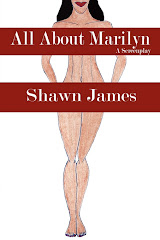
People been giving me all sorts of hell about the All About Marilyn cover. I design this cover so I wouldn't have to deal with the racial nonsenseI got about the Cassandra Cookbook cover, having to deal with that lightskin/darkskin crap and accusations of being colorstruck. Now they accuse me of being "worldy about making an artistic statement and refuse to support me.


I hate the fact that my intentions in both cases about these covers I designed were twisted and distorted by the public. In Cassandra's case I never expressed any preference about skin color regarding the character; I designed what I saw in my imaginaton.

In Marilyn's case I never meant anything sexual or worldly about the art. My intention was to make a statement about black beauty; the red lips were supposed to draw the viewer to Marilyn's face where the story was told. It was an abstract picture. Marilyn's face is incomplete; there was more to her story than what is presented between the minimal lines of detail.

I understand that Black people come in numerous shades of brown and that art is supposed to make us think and expand our understanding of the world and the people in it. This is something missing from the narrow-minded perspectives of inner city life.


On my last two book projects I feel that my mission of trying to bring positive stories about the African-American experience is failing. My goal of inspiring others and broadening African-Americans understanding of self is being lost by the public. It hurts me to know that the knowledge I wanted to share about the entertainment industry in All About Marilyn isn't going to be heard because most people are going to judge the book by the cover. Worse, because so many will judge the book by the cover they'll never get an understanding about the basics of screenwriting, or learn more about an industry where there are so few people of color.

Monday, January 25, 2010

All About Marilyn Now Available At Barnes & Noble.com and Amazon.com

Now Available from SJS DIRECT


Fame Ends at 34.
Life Begins at 35.

ISBN: 978-0-615-34258-0

Suggested Retail price $14.00

Marilyn Marie is desperate to break away from Nikki Desmond, the rich spoiled rotten character she played on the hit 1990’s teen sitcom All About Nikki. Scraping by for years on work in two bit made-for-video productions and handouts from friends, the 34-year-old actress anxiously waits for the big break that will jump start her stalled career. Tragically it comes she’s on the set of the movie SELL OUT when she’s attacked by Hollywood’s current it girl Tabatha Strong.

While recovering in the hospital Marilyn prepares for the greatest role of her life: being herself. However, the ghost of Nikki Desmond continues to haunt her as she travels to New York with a new face and a new lease on life. Eager to move on, Marilyn realizes she must reconcile with her troubled television past if she is to have a future in the real world.

All About Marilyn is currently now available at barnesandnoble.com and amazon.com. Pick up your copy today!

Saturday, January 23, 2010

A guide To A Better Experience At The Library

There are some unwritten rules about the library most who go there don’t know about. Having worked there and come to an understanding about these unspoken policies, I’ve learned some things that can help make everyone’s next trip to there a bit easier.


Before heading to the library, check the bookstore first. Sure the books in the library are free. But in my short time there I’ve seen books on the shelf with pages missing, pages written in, and pages torn out. I’ve seen magazines with entire articles torn out. One book on the shelf had an entire chapter missing! Having a library book in hand does not guarantee that all of the book is there. From personal experience, I can tell you there’s nothing worse than doing research and finding the page or chapter you need to read is missing. This is even more frustrating if you’re reading fiction and enjoying the story.


So before heading to the library, I implore everyone to check the bookstore first. Most titles are available at Amazon and Barnes and Noble are brand new and will have all the pages. Used bookstores and eBay are a great place for cheap copies of out-of-print books and will have all the pages intact.


The person working the circulation desk is NOT a librarian. In most cases they’re an office assistant, clerk, volunteer or college student. While they are familiar with library policies, they aren’t familiar with the collection and aren’t going to be of much help finding a book for you. Their primary duty is to process the checking in/out of books and collect library fines.


Librarians nowadays are actually managers who work in the back to maintain and manage the collection. Librarians are usually often only available Monday-Friday and not on weekends when most patrons attend the library.


The Circulation desk closes 15 minutes before the library closes. Just because the hours posted on the door are 10-6 or 10-8 does not mean anyone can rush in at 5:45 or 7:45 to go look for a book. Staff shut down computers at 5:45 and 7:45, so there is no way to check a patron’s books in or out after then. So please come in an hour before the library closes to get any materials.


Don’t drop books down the Book Drop/Deposit chute. Book Drop/Deposit chutes are often the LAST thing checked by a busy library staff. A book returned through the Book drop chute on the due date may not be checked in by staff until DAYS or even WEEKS later. To ensure a book is checked into the library’s system as returned, go to the circulation desk and watch as the clerk scans it into the system


Bring Your Library Card. I can’t tell readers how many times I’ve dealt with people who leave their library cards at home and had meltdowns when they couldn’t take anything out. Without a library card, there is no way to take out any books, videos or anything else. Please don’t have a tantrum.


The library’s catalog can’t be trusted. I’ve watched as so many have checked out these listings thinking that books are available, some request that the library holds these books for them, and when they get there…Said book isn’t there, and individuals lose it.


The library catalog, whether online or paper only states if a book is part of a library’s collection. Availability on the shelf… well that’s another issue. Books that are lost or stolen can still appear in a library’s computer system for YEARS. Sometimes, catalog records aren’t updated for months after a book is reported missing to library staff. Library staff often leave the record open because they are doing a title search for the lost book.


Putting a book on hold does not mean you will get the book next. Another thing library patrons often do is put books on hold when someone else has them, thinking they’re guaranteed to be the next one in line to get said book three to four weeks later. It’s a crapshoot gambling on a chance the person holding the book will return it; usually it’s a gamble most library patrons lose. So instead of hedging bets on the return of a library book, take this time to head to the bookstore.


Requests for a title search are a waste of your time. Oftentimes, people won’t find a book on a shelf and will fill out a form where library staff will promise to search for it. The truth is it’s a way of giving patrons the run-around. Two weeks later, library staff will oftentimes tell the returning patrons the book is not there. In many cases, the book people are looking for is often lost or stolen, and in many cases the staff of the library knows it ahead of time. If library staff has to search for a book listed as available in the catalog, it’s GONE.


Instead of wasting time waiting for a title search, patrons should use that time to head to another branch, a used bookstore, eBay, or an online bookstore. It’s much more productive than hoping, wishing and praying the book will be there.


Bring change, preferably lots of one dollar bills, nickels and dimes. The library staff rarely has enough money to change a five, much less a twenty. So if a patron needs money for the copier, soda machine, or anything else, it’s best have your own singles and quarters. Some libraries have vending machines that dispense change, but they may or may not work. The best bet is to bring your own change.


Bring Wet Wipes. Older books on the shelf can be dusty. So bring wet wipes to clean hands before and after handling library materials.


Library staff does not handle copiers or issues with copiers. Outside contractors maintain all library copiers, copy card machines and printers. Only a company technician can service these machines when they out of order. So getting a refund if the copy machine eats a patrons’ money is a50/50 tossup. It often depends on the kindness of the clerk working the circulation desk.


Don’t put a lot of money on a copy card. In some libraries, people buy copy cards. Smart people don’t put more than $5 on these. If the card is defective it leads to the risk of patrons losing their money. It’s a headache trying to get money back from these since the library staff does not control the service of the copiers or the cards. The process for getting money back on these means filling out a dispute form and waiting…and waiting, sometimes even months. If patrons do eventually get a refund it’ll be in the form of well…A copy card. I’ve seen people put $20 or more on these only to get upset when there’s a read error or a defect in the card. Please use singles or change to minimize losses from issues with a defective copier.


Library guards protect the books, not you. Some libraries have the luxury of hiring guards. Their job is to actually deter people from stealing the books with their presence and clear the library of patrons who refuse to leave at closing time. They can’t help patrons if their stuff winds up missing. The most they can do is call the police. So please...


Look out for your stuff. While it’s often quiet, the library’s silence often lulls patrons into a false sense of security. Because many patrons often get too comfortable, they leave their belongings alone to go get a soda, go to the bathroom and find their stuff gone. I’ve watched as patrons have had computers, iPods, cell phones, coats, backpacks, USB keys, hats, scarves and everything else lying around them stolen. Patrons must understand that the library is open to everyone including criminals. So anyone going to the library should remain alert at all times and keep all their belongings in front of them.


Look out for yourself and your children. Supervise and watch children when going to the library. Keep an eye out for yourself when going to the library alone, or go there in a group. Remember, the library is “open to everyone” including the mentally ill, the homeless, pedophiles, and criminals who sometimes loiter there. In addition to the thefts of property, there have incidents of violence at library some library branches. On many occasions some library patrons have used library computers to look at pornographic websites. Other patrons have been caught performing sex acts in the library bathrooms and between library stacks.


Always bring hand sanitizer when visiting the computer lab. computers are in the lab are handled by just about everyone. In some extreme cases people are viewing pornography on these computers and well…masturbating. Library staff rarely ever cleans the keyboards and mice in the computer labs so they are NASTY! So if using library computers, please bring hand sanitizer and use it before and after handling the keyboards and mice there.


ALWAYS Bring a USB Drive with Anti-Virus Protection when using library computers. Some libraries have password protection on the BIOS of their public computers and have security policies on the guest accounts of their operating systems. These restrictions prevent patrons from saving anything to their hard drives, or modifying system files. Patrons can open software like Microsoft Word or Adobe Photoshop, on these computers but if they wish to save their information they must have a USB disk.

Other libraries have open and free public computers with no security restrictions where people have gone…Just about everywhere. Like porn sites known for having viruses, spyware and malware. Stuff that can totally screw up a computer. Some patrons e-mail files to themselves they’ve picked up for research from these library branches unaware of the risk it presents. Oftentimes, patrons wind up sending themselves a virus along with the information! So when doing research, always bring a USB drive along and make sure it has up-to-date anti-virus software installed on it before saving anything.


Have a software firewall and up-to-date anti-virus software installed on a PC laptop or Netbook when using Library Wi-Fi. Library networks are free and convenient, but they’re also open and unsecured, meaning they are extremely vulnerable to just about everything from hackers to viruses. When using these networks, always have a firewalls and anti-virus software installed and up-to-date.


Library Videos, and DVDs, and video games aren’t worth it. While it’s free to get movies and games from the library, it’s the last place anyone should go for one. Thieves often switch out DVD so the movie titled on the jacket is not the one inside. Some swap out blank discs, others swap out kids movies and others swap out adult films! In the cases where patrons do get the movie on the jacket the viewing experience is not a great one. DVDs from the library are dirty, warped and full of scratches. Playing these and can misalign a DVD player’s laser.


In the case of a damaged or defective movie, a patron could wind up with stuck with replacement costs and administrative fees of $55 or more for an old worn out movie or game that’s been played dozens of times. This is more than the cost of a brand new DVD or videotape! A cheaper fix for movies is to get a Netflix subscription instead. The replacement costs for Netflix are only $20.


Hoping these tips will help everyone have a better experience when attending the library.

A guide To A Better Experience At The Library

A guide To A Better Experience At The Library


There are some unwritten rules about the library most who go there don’t know about. Having worked there and come to an understanding about these unspoken policies, I’ve learned some things that can help make everyone’s next trip to there a bit easier.


Before heading to the library, check the bookstore first. Sure the books in the library are free. But in my short time there I’ve seen books on the shelf with pages missing, pages written in, and pages torn out. I’ve seen magazines with entire articles torn out. One book on the shelf had an entire chapter missing! Having a library book in hand does not guarantee that all of the book is there. From personal experience, I can tell you there’s nothing worse than doing research and finding the page or chapter you need to read is missing. This is even more frustrating if you’re reading fiction and enjoying the story.


So before heading to the library, I implore everyone to check the bookstore first. Most titles are available at Amazon and Barnes and Noble are brand new and will have all the pages. Used bookstores and eBay are a great place for cheap copies of out-of-print books and will have all the pages intact.


The person working the circulation desk is NOT a librarian. In most cases they’re an office assistant, clerk, volunteer or college student. While they are familiar with library policies, they aren’t familiar with the collection and aren’t going to be of much help finding a book for you. Their primary duty is to process the checking in/out of books and collect library fines.


Librarians nowadays are actually managers who work in the back to maintain and manage the collection. Librarians are usually often only available Monday-Friday and not on weekends when most patrons attend the library.


The Circulation desk closes 15 minutes before the library closes. Just because the hours posted on the door are 10-6 or 10-8 does not mean anyone can rush in at 5:45 or 7:45 to go look for a book. Staff shut down computers at 5:45 and 7:45, so there is no way to check a patron’s books in or out after then. So please come in an hour before the library closes to get any materials.


Don’t drop books down the Book Drop/Deposit chute. Book Drop/Deposit chutes are often the LAST thing checked by a busy library staff. A book returned through the Book drop chute on the due date may not be checked in by staff until DAYS or even WEEKS later. To ensure a book is checked into the library’s system as returned, go to the circulation desk and watch as the clerk scans it into the system


Bring Your Library Card. I can’t tell readers how many times I’ve dealt with people who leave their library cards at home and had meltdowns when they couldn’t take anything out. Without a library card, there is no way to take out any books, videos or anything else. Please don’t have a tantrum.


The library’s catalog can’t be trusted. I’ve watched as so many have checked out these listings thinking that books are available, some request that the library holds these books for them, and when they get there…Said book isn’t there, and individuals lose it.


The library catalog, whether online or paper only states if a book is part of a library’s collection. Availability on the shelf… well that’s another issue. Books that are lost or stolen can still appear in a library’s computer system for YEARS. Sometimes, catalog records aren’t updated for months after a book is reported missing to library staff. Library staff often leave the record open because they are doing a title search for the lost book.


Putting a book on hold does not mean you will get the book next. Another thing library patrons often do is put books on hold when someone else has them, thinking they’re guaranteed to be the next one in line to get said book three to four weeks later. It’s a crapshoot gambling on a chance the person holding the book will return it; usually it’s a gamble most library patrons lose. So instead of hedging bets on the return of a library book, take this time to head to the bookstore.


Requests for a title search are a waste of your time. Oftentimes, people won’t find a book on a shelf and will fill out a form where library staff will promise to search for it. The truth is it’s a way of giving patrons the run-around. Two weeks later, library staff will oftentimes tell the returning patrons the book is not there. In many cases, the book people are looking for is often lost or stolen, and in many cases the staff of the library knows it ahead of time. If library staff has to search for a book listed as available in the catalog, it’s GONE.


Instead of wasting time waiting for a title search, patrons should use that time to head to another branch, a used bookstore, eBay, or an online bookstore. It’s much more productive than hoping, wishing and praying the book will be there.


Bring Change, preferably lots of one dollar bills, nickels and dimes. The library staff rarely has enough money to change a five, much less a twenty. So if a patron needs money for the copier, soda machine, or anything else, it’s best have your own singles and quarters. Some libraries have vending machines that dispense change, but they may or may not work. The best bet is to bring your own change.


Bring Wet Wipes. Older books on the shelf can be dusty. So bring wet wipes to clean hands before and after handling library materials.


Library staff does not handle copiers or issues with copiers. Outside contractors maintain all library copiers, copy card machines and printers. Only a company technician can service these machines when they out of order. So getting a refund if the copy machine eats a patrons’ money is a50/50 tossup. It often depends on the kindness of the clerk working the circulation desk.


Don’t put a lot of money on a copy card. In some libraries, people buy copy cards. Smart people don’t put more than $5 on these. If the card is defective it leads to the risk of patrons losing their money. It’s a headache trying to get money back from these since the library staff does not control the service of the copiers or the cards. The process for getting money back on these means filling out a dispute form and waiting…and waiting, sometimes even months. If patrons do eventually get a refund it’ll be in the form of well…A copy card. I’ve seen people put $20 or more on these only to get upset when there’s a read error or a defect in the card. Please use singles or change to minimize losses from issues with a defective copier.


Library guards protect the books, not you. Some libraries have the luxury of hiring guards. Their job is to actually deter people from stealing the books with their presence and clear the library of patrons who refuse to leave at closing time. They can’t help patrons if their stuff winds up missing. The most they can do is call the police. So please.


Look out for your stuff. While it’s often quiet, the library’s silence often lulls patrons into a false sense of security. Because many patrons often get too comfortable, they leave their belongings alone to go get a soda, go to the bathroom and find their stuff gone. I’ve watched as patrons have had computers, iPods, cell phones, coats, backpacks, USB keys, hats, scarves and everything else lying around them stolen. Patrons must understand that the library is open to everyone including criminals. So anyone going to the library should remain alert at all times and keep all their belongings in front of them.


Look out for yourself and your children. Supervise and watch children when going to the library. Keep an eye out for yourself when going to the library alone, or go there in a group. Remember, the library is “open to everyone” including the mentally ill, the homeless, pedophiles, and criminals who sometimes loiter there. In addition to the thefts of property, there have incidents of violence at library some library branches. On many occasions some library patrons have used library computers to look at pornographic websites. Other patrons have been caught performing sex acts in the library bathrooms and between library stacks.


Always bring hand sanitizer when visiting the computer lab. computers are in the lab are handled by just about everyone. In some extreme cases people are viewing pornography on these computers and well…masturbating. Library staff rarely ever cleans the keyboards and mice in the computer labs so they are NASTY! So if using library computers, please bring hand sanitizer and use it before and after handling the keyboards and mice there.


ALWAYS Bring a USB Drive with Anti-Virus Protection when using library computers. Some libraries have password protection on the BIOS of their public computers and have security policies on the guest accounts of their operating systems. These restrictions prevent patrons from saving anything to their hard drives, or modifying system files. Patrons can open software like Microsoft Word or Adobe Photoshop, on these computers but if they wish to save their information they must have a USB disk.

Other libraries have open and free public computers with no security restrictions where people have gone…Just about everywhere. Like porn sites known for having viruses, spyware and malware. Stuff that can totally screw up a computer. Some patrons e-mail files to themselves they’ve picked up for research from these library branches unaware of the risk it presents. Oftentimes, patrons wind up sending themselves a virus along with the information! So when doing research, always bring a USB drive along and make sure it has up-to-date anti-virus software installed on it before saving anything.


Have a software firewall and up-to-date anti-virus software installed on a PC laptop or Netbook when using Library Wi-Fi. Library networks are free and convenient, but they’re also open and unsecured, meaning they are extremely vulnerable to just about everything from hackers to viruses. When using these networks, always have a firewalls and anti-virus software installed and up-to-date.


Library Videos, and DVDs, and video games aren’t worth it. While it’s free to get movies and games from the library, it’s the last place anyone should go for one. Thieves often switch out DVD so the movie titled on the jacket is not the one inside. Some swap out blank discs, others swap out kids movies and others swap out adult films! In the cases where patrons do get the movie on the jacket the viewing experience is not a great one. DVDs from the library are dirty, warped and full of scratches. Playing these and can misalign a DVD player’s laser.


In the case of a damaged or defective movie, a patron could wind up with stuck with replacement costs and administrative fees of $55 or more for an old worn out movie or game that’s been played dozens of times. This is more than the cost of a brand new DVD or videotape! A cheaper fix for movies is to get a Netflix subscription instead. The replacement costs for Netflix are only $20.


Hoping these tips will help everyone have a better experience when attending the library.

Thursday, December 31, 2009

Black women and Marriage: Is it that bad out there?

A while ago, I listened to a discussion about why so many Black women aren’t married when I attended the Circle of Sisters Expo this October. According to statistics, forty-two percent of Black women over the age of thirty have never been married; double the number of white women at that same age.


Some think it has to do with the shortage of “eligible” Black men. These same statistics cite that out of a random pool of 100 black men many are unemployed, (17 percent), incarcerated, (8 percent) or did not finish High School (21 percent). These numbers state that close to fifty percent of black men aren’t the type of males Black women would find acceptable for marriage and this is why there are so many single women in the African-American community.


However, I have to wonder if the lack of married Black women due is a perceived shortage of “eligible” black men or a lack of true Black-on-Black love among African-Americans today.


What is Black on Black love? The ability to love one’s self as a black person, and the ability to take pride in the beauty of being African-American. To look in the mirror and see oneself as a black person capable of expressing love, receiving love and as someone who deserves to be loved for being themselves by other black people. To have the ability to look at other black people as people capable of expressing love, receiving love and deserving to be loved for being themselves as black people.


I really don't think a shortage of men is the reason why so many black women aren’t married, but a shortage of values and character in the African-American community. On the surface, many unmarried black women who complain about this “shortage” say they seem to “have it all” only have it on a material level. However, when I listen to these sistas speak on deeper discussions of internal traits such as character, I often discover that many black women don’t love themselves or see themselves as valuable enough to be loved or deserving the love of others. I believe it’s this lack of a sense self-worth, is why so many black women struggle to find partners, not because of a shortage of Black men.


I truly believe it’s the poor self-image and low self-esteem that many African-Americans have about themselves that causes men and women to have difficulties in finding partners to marry. This negative perception of self goes beyond race, class or gender and is buried deep within the subconscious minds of brothers and sisters. Because both Black men and Black women don’t see themselves as lovable or beings capable of expressing or receiving love, they have little to no standards about what behavior they'll accept in a relationship, and will settle for less than a full commitment from their partners. Without the standards and boundaries self-love establishes, there can be no dedication for a commitment like the institution of Marriage.


It's scary what I've read about Black men and women are tolerating in relationships now. Some are willing to "share" a man and others (both men and women) who just are indifferent about their partners cheating on them. More violate their own personal boundaries and accept relationships with lost, broken, or emotionally damaged men. A few even pursue men of another race or only to find their different colored partner has the same type of toxic character and personality traits they tried to escape from the black men they were pursing.


Because Black people don’t love themselves, they settle for less in life, something unheard of twenty years ago or even forty years ago. Sometimes I walk around my neighborhood feeling all the negative energy around me, I have to ask myself: Where has all the love gone?


I think that the African-American culture is now so full of misogyny, sexism, and self-hatred that a black woman isn't seen as someone valuable by both black men or Black women and that’s why the marriage rate is so low for African-American women. Due to the constant exploitative and disposable images of objectified, degraded sexual, black women, many black men do not see a black woman as someone beautiful or valuable; someone worthy of being an equal partner for life. Worse, many black women do not see themselves as someone having great beauty or value to be someone's equal partner for life.


Many of the character traits presented of Black women in the media these days emphasize the external and not internal. Because there is so much promotion of the external character traits (looks, material possessions, financial status, sexuality) very few Black people see the true value of a black woman's internal character traits (grace, intelligence, compassion, strength, dignity, tactfulness, courage, organization, kindness, patience, understanding caring), the traits men see as valuable in a woman enough to commit himself to her in a marriage.


This same cultural misogyny and self-hatred has also poisoned the way black women see Black men. Many Black women do not see a Black man as a valuable partner due to the numerous false stereotypes used to identify him. These unrealistic pictures of what makes a "successful" man (Well-educated, handsome, "good" six-figure job, expensive clothes and driving a luxury car, good in bed) focus only on the superficial external character traits of a Black man and not the internal character traits (honesty, integrity, caring, tactfulness sensitivity, patience kindness, courage, dedication, determination, a sense of humor, leadership, creativity) that make a Black man a good partner in a marriage.


The contents of character within men and women form the values that are supposed to complement each other so both partners can support each other for the duration of the relationship. Unfortunately, because so many African-Americans have a poor self image and such low standards in who they choose for partners today, relationships are often formed on shaky foundations with broken, damaged, lost or non-committal partners. Without a relationship built on the solid foundation of common values found in internal character traits there's no structure to build the supports for a long-term commitment like a marriage.


Shawn's advice for the lovelorn, lonely, Sistas: Love yourself. Don't look for love; love will find you. Love attracts love. And if you love yourself, others will love you.

Saturday, December 05, 2009

Acting White

Acting White. It’s what some African-Americans call a person who speaks articulately with good diction, aspires to achieve academically or is well-educated. It’s something some people have called me for just being myself. Since I was a teenager It’s always puzzled me how African-Americans often associate a person’s intelligence with the color of their skin.

My most recent experience with this cultural trend was when I took my PC Repair class a few months ago. I was talking to one of my classmates when another interjected “He talks like a white man.” I didn’t take offense to it; Even when I was in High School, at college or the many jobs I’ve worked people have been surprised by my articulation and strong diction. Like it was unexpected for an African-American male to express any semblance of intelligence.

I have often been laughed at by some and mocked by others for my intelligence and good diction, however I haven’t once thought of changing my speech pattern to reflect what is perceived as “black”. While my peers may have thought my speech was peculiar, I never saw speaking well and being intelligent it as just a “white” thing. I always thought intelligence reflected positively a person’s character; a sign of patience, understanding compassion, and reason. Those were character traits to me that every person should try to aspire to have.

Some of the people who have inspired me and my writing didn’t consider expressing their intelligence or speaking well a white thing either. I don’t believe Malcolm X was seen as “acting white” when he spoke articulately back in the 1960s. Neither was Dr. Martin Luther King Jr. And I enjoy hearing African-American actors like Salli Richardson, Keith David, Charles Dutton, and Denzel Washington perform because of the near perfect diction in their performances.

From what I’ve learned about the African-American experience Education has always been a “Black” thing. Throughout history, from the Ancient Egyptians who were masters in Astronomy, science, engineering and math to artists like Juan De Pareja, writers like Phyllis Wheatley, or inventors like Benjamin Banneker and George Washington Carver to educators like Booker T. Washington, Mary McLeod Bethune Barack Obama, African-Americans have always pursued excellence in education.

Even my slave ancestors aspired to learn because they saw education as a way to improve their economic and social condition. After many southern states like Virginia passed laws against teaching slaves how to read and write, many still persevered towards gaining literacy because they saw it as an opportunity to empower themselves. From the 1800s up until almost recently, being an educated intelligent black person who spoke well was considered a good thing. It wasn’t considered “acting white”.

So I’m wondering where did this “acting white” thing come from over the last fifteen or twenty years? As I see it, what people called “Acting Black” as it’s seen in mainstream America to me doesn’t seem like a representation of “Black” but a perpetuation of longstanding racist stereotypes. These “real black” images presented to the African-American community seem more like a repackaging of the degrading images of the black buck, the coon, the black harlot, Tragic Mulatto, jigaboo, and the mammy to me.

What’s more ironic to me is that many of the wealthy rappers, ballplayers thugz and other assorted people who perpetuate the degrading images of “acting black” are the same ones sending their children to high-priced private schools to learn how to speak well and become intelligent, while promoting to the black masses a message of ignorance.

So on this issue of race and identity I often wonder who really is “acting white” and who is “keeping it real”. Are the African-Americans who aspire to speak well and express their intelligence “keeping it real” because they follow a centuries long history of education that has been part of the black community, or are the African-Americans who identify with “street” culture “acting white” because they promote and perpetuate a stereotypical image of African-American life that makes Middle America comfortable.

Tuesday, November 24, 2009

Thug Culture or Nazi Propaganda? Identity crisis in the Black Community

“All that is necessary for evil to win is for good people to do nothing.”

There’s a crisis in the Black community. One that is tearing apart the fabric of African-American society. However, the cause of this crisis isn’t poverty. It’ not the proliferation of guns, drugs or crime. It’s not the lyrics in hip-hop music. The real crisis in the African-American community has to do with culture and values. Thug culture seeks to supplant African-American culture as the main identity of the Black community. And all good Black people have to do for this evil to win is sit back and do nothing.

The Black community must understand: One man’s gangsta is another man’s fascist.

Like the “Good German Jews” before us, many African-Americans throughout the country are sitting passively while the fascist menace of thug culture insidiously imposes its values on the overall Black community. In Black neighborhoods, This propaganda proliferates its message by hijacking our art, literature and leaders, as gangsta rap, street lit, and their spokespersons gun-toting rappers, diamond wearing entertainment moguls and ball players glamorize crime, guns and ignorance as “keeping it real” or the only way blacks have a “true” identity in America.

Like Adolf Hitler and his SS soldiers, these thugs portray themselves as the “true blacks” and their perpetuation of old white racist stereotypes as the only way to be “black”. These Aryans of the black community exploit the media promoting false ideals like “hustling”, being a “gangsta” “Stop snitching” “Ride or Die,” “Pimping” and being a whore as the truth while denouncing the ideals of education, hard work and business ownership established over four hundred years by blacks such as Crispus Attucks, Harriet Tubman, Sojurner Truth, Fredrick Douglass, Booker T. Washington, Mary Mcleod Bethune, Malcolm X, Dr. Martin Luther King Jr. and countless others as “acting white”.

It’s a message taught on the streets, in schools, on Televisions and in the prisons and even in some homes. Those who are educated or who aspire to be educated about the truth are being murdered or driven out of the community just as doctors, lawyers college professors, teachers and intellectuals were driven out of Germany and the territories it occupied during the war while the thugs teach their message: A message of hate-Self hate.

One man’s colors are another man’s Swastika.

One man’s gangsta is a white man’s coon.

Unfortunately, like the “Good German” Jews who went along with things they knew were wrong many Older Blacks and black leaders sit back and passively watch as Black youth imbibe the fascist propaganda of a self-destructive set of ideals thinking it’s just “trendy” or “hip”. Others are just too scared of reprisal from these junior fascists to teach the truth to the next generation.

I realize those thugs and gangstas who are “keeping it real” in the Black community by are just like the “Good Germans” who became Nazi soldiers. They are “only following orders” of superiors. It wasn’t excused at the Nuremberg trials. It can’t be excused by Black America now.

Why am I writing this? I realize I can’t sit back and do anything. I cannot stay silent any longer.
I cannot be a “Good Black”.

I must do something to make sure evil does not win.

Having experienced the violence and terror during crack epidemic of the late 1980’s and early 1990’s here in New York City as a result of some members of my generation being taught these false messages of thug culture, I won’t be a Good Black Person. I understand in order for this evil to succeed again in destroying my community and corrupting another generation with its warped values is for the countless masses of hardworking black people to sit back and do nothing just as the Jews did in Germany while Hitler’s regime came to power.

I understand that Like Hitler and his Nazi regime, these thugs and gangstas will destroy everything around them in the black community in their quest for power. Just like the South Bronx I grew up in as a child in the late 70’s early 80’s was destroyed by in the power struggle for turf, African-American neighborhoods all over the country will be turned into war zones the equivalent of Poland, England, Austria-Hungary and Russia during World War II.

And just like the Nazis, those fascists who practice the thug culture make up about less than .05 percent of the black community the same way Hitler’s regime were only a small part of the German population. However, because the silent majority of “good Germans did nothing 100 percent of Europe was destroyed by the Second World War. The inactivity of all Blacks on this issue of race and identity in the 21st century will eventually lead to the total extermination of the African-American race in the United States.

Wednesday, November 18, 2009

Pondering A T-shirt offering

My question to everyone:


Would you buy this image on a T-Shirt?

For years I’ve wanted to offer a T-shirt based on the cover of my first book Isis. I always thought the ankh symbol I designed for the cover was interesting enough that it would appeal to casual buyers in addition to people who have read the book.

At the Harlem Book Fair this summer, the cover of Isis attracted the attention of to casual buyers- many female. Their positive reactions encouraged me to ponder seriously pursuing a merchandising venture.

I want to offer the shirt in the following styles that would appeal to ladies: standard T-shirt, fitted, T-shirt, tank top, and spaghetti strap tank top. My goal is to use the Isis shirts to target a female audience (she is a female fantasy character) of fantasy fans and casual buyers. My hopes are that the shirt would get people interested in learning more about the book. Maybe even get some book sales.

From what I’ve seen at my trips to comic cons and trade shows, there are a lot of female fantasy/comic/sci-fi fans out there. Unfortunately companies aren’t’ offering merchandised to women and girls and the ones that do are offering sporadic merchandise. Usually Most comic and fantasy based products like T-shirts are usually designed for men. However, I know that there are ladies enjoy this merchandise too and I’d like to try to create my products for those customers.

I’m exploring my options and may experiment with offering products at a POD print company like Cafe Press or Spreadshirt. I’d love to hear from people regarding their experiences with their products before I think of offering products from there.

I’m working on cleaning up the Isis symbol in Photoshop right now and I’m writing up a slogan. I’d love to have a product up in time for Christmas. Just want to know if there are any customers interested in buying it.

Shawn's Books & PC repair

Get your Books and PC Repair here!


Yesterday, I took my Comptia A+ 220-602 and got a score of 834 out of 900. Two weeks ago I took my 220-601 and got a score of 836 out of 900. So in addition to being an experienced freelance novelist and screenwriter, I’m now A+ Certified Computer technician. I’m officially able to fix and build PCs.


I’m thinking about doing a weekly Q&A where people send me questions about PC problems on my blog and I’d try to answer them. I figure it’d be a great way to combine my two skills- writing and Computers.


So if anyone has any PC related questions, feel free to drop them in the comments section of this blog.

Monday, September 14, 2009

You Are What You Read

You are what you read.


Just like the food people eat has a long-term effect on their body’s physical health, the literature a person reads has a n effect on their state of mind. The thoughts and ideas in what people can read can influence them to act and behave in a positive or a negative way.


I’ve watched how literature has changed people’s view of the world. For some it has enabled them work towards making changes to improve their lives. For others it has made them see things from a very cold and cynical perspective. And for even more it has caused them to see everything in a negative light. Like the food readers, eat, literature has an effect on their long-term health. People are inspired by what they read and this can motivate them to take action in their lives for the better or for the worse.


The literature people read says a lot about them and the direction we want to go in their lives. Good books help expand a reader’s perspective of the world and expose them to different experiences that allow them to grow. Bad books like junk food are entertaining enough to make readers feel good but don’t give readers the information they need to move forward in their lives.


The results of this mental nutrition are:


A reader who reads a lot of good books will strong mind. They’ll be able to take the information they’ve read and apply it in their lives. These books are like health food, the effects strengthen the thinking process and make a person mentally sharp.

A reader who reads a lot of bad books will entertain but won’t get any information they can apply in their lives. These types of books are more like empty mental calories. This mental junk food slows down the thinking process and makes it harder for people to function.


Good and Bad books come in both fiction and Nonfiction, and are across the genres.


My advice to readers: Read a lot of good books, but use the bad ones sparingly. It’s okay to read every now and again, but please don’t make it a regular habit.


You are what you read. Food for thought.


Saturday, September 12, 2009

Tuesday, August 25, 2009

Interview With Tea Bags and Good Books Book Club

You can check out the interview here.

s
Category: Writing and Poetry

We are Pouring Tea with The Cassandra Cookbook Author Shawn James and we are adding some lemon in this water for taste to get our members the answers they have been waiting for.

Yes, we have the juicy details right here on My Space just for our reader’s and fan’s. We ask this Author a lot of questions, by opening the doorway to this Author’s world we get your questions answered, so please join us! Sit down and pour yourself a cup of tea while TBGB’s Book Club welcomes you into the doorway of Mr. Shawn James.

TBGB: Tell us about Shawn James the Writer.

SJ: Shawn James is an easy going guy, who spends most of his time writing stories, novels and screenplays. He works seven hours a day, six days a week, with breaks scheduled in between; for errands, meals and sleep. When he has a day job, he works six hours a day, six days a week, after work on his writing. His mission over the past fifteen years is to create positive stories about the experiences of African-Americans; that will inspire readers to take action towards changing their lives for the better.

TBGB: Now, Tell us about Mr. James the Author.

SJ: Shawn James the author is a hardworking businessman; whom works tenaciously towards promoting his self- published books about the positive experiences of African-Americans. He networks with book clubs, book stores, bloggers and anyone who will read or buy his work.

TBGB: How did you become a Fiction Novelist?

SJ: I have been writing stories since I was nine years old. I started out wanting to copy the art in my brother's comic books. But I couldn't draw so well so I decided to use words and pictures. Professionally, I've been writing novels since I graduated college in 1994. It was a great way to relax.

TBGB: How has becoming a writer changed you if any in your life today?

SJ: I spend a lot more time in front of a computer than I should.

TBGB: What has inspired you to write The Cassandra Cookbook?

SJ: I wanted to create a positive story about the experiences of African-Americans in the workplace.

TBGB: What about the novel did you want the reader to identify with?

SJ: I want the reader to identify with the experiences the characters have in the story. It's easy for many of us to be like Simon and get so caught up with facts, figures, policies and procedures that we forget about the valuable people that give a company its true worth. It's also easy to be like Cassandra and be so wrapped up in their works that they lose their identity and sense of self worth that they sell all their talents and skills short.

TBGB: Is there anything about writing this book you didn't like?

SJ: I really enjoyed writing this book. In fact it was so much fun working on this book that I lost 30 pounds!

TBGB: Our member's had some interesting questions about the cover of this book, who is the Artist? And what made you decide on a drawing for the cover?

SJ: I'm the artist who drew the cover. Before I write, I sketch out what my characters look like so I can have a point of reference when I'm writing their descriptions. Since I couldn't afford a cover artist, I thought that sketch would best tell the story of the Cassandra cookbook.

TBGB: I believe the character on the cover is holding a bouquet of flowers and appear to be of masculine form and the book is about something totally different did you find it difficult to come up with a cover theme to match your story line?

SJ: Errr.... That's not a bouquet of flowers. That's supposed to be a chocolate muffin with a candle in it, and that masculine form is Ms. Cassandra Lee. From what you're telling me, I really stink as an artist. Really, really stink as an artist. I have got to get a pro for that next cover.

TBGB: Our bag.

TBGB: (Laughing our butts off.)

TBGB: I bet you get alot of questions concerning the cover of this book does any one question stick out the most as silly or ridiculous or is all of the questions about the same?

SJ: I don't get that many questions about the cover, because people are so excited about the plot and storyline that they pay very little attention to the cover. But I'm gonna have to revisit that cover and replace it one day.

TBGB: We really enjoyed reading this novel; please tell us about why you decided to put so many twist and turns in this storyline?

SJ: The twists and turns in the story came about organically. Some of them like the scandals and corporate backstabbing were inspired by things I saw transpire on many of the jobs I had in real life.

TBGB: This novel seems to have some bearings on today's economic situations how does this now play in advertising your book?

SJ: I wanted to detail the elements of success in the business world. While I was doing research on numerous corporations I quickly learned that many of them started as simple mom-and pop operations or small one-person businesses. Many were started during economic downturns. As I learned the secret ingredients these companies used to expand themselves, I began developing a promotional campaign detailing Cassandra's recipe for success. In Cassandra's story are tips and advice the reader can use to advance their own career.

TBGB: Wow, this IS awesome!

TBGB: How does your family and friends support you with your writing?

SJ: My family supports me 100% In fact; my brother and sister helped me with my table at the Harlem Book Fair this year. Monroe College published an article about my books in their Alumni newsletter.

TBGB: Please see further details relating on this newsletter by visiting Monroe College website to see if you can request an archive issue or back copy relating to Mr. James.

TBGB: Now, some of our member's want to know are you single?

SJ: I'm single and I'm available.

TBGB: Now I will pass this on to the 3 members’ who wanted to know. Smile.

TBGB: Where do you promote yourself the most in book stores or through book clubs?

SJ: I do most of my promotional work online. This is how I've contacted many of the Black Book Clubs and many Black Book Stores. I've also done some networking with book vendors on the street, but the web is the primary way I promote my work.

TBGB: Do you believe Authors have to promote themselves or do you believe the publishing company should do it?

SJ: Authors have to promote their own books; it’s the only way the public is going to know about them. At the publishing house, the advertising budget is small and the few promotional dollars are spent on the Best-Selling Authors. Everyone else, especially first time authors have to hustle to get the word out about their books.

TBGB: How is writing books for publishing companies different then musicians singing songs for record companies?

SJ: As far as I know in book publishing an author signs a contract giving the publisher permission to print the book in North America. They're paid an advance on the first print run of 5000-7000 copies. If those sell well, the author begins earning royalties of ten percent of the list price on sold copies. I don't really know how it works in the music industry but I think the songwriter gets paid royalties on songs they write and publish. This is why registering copyright is so important, as it on public record who owns the song.

TBGB: Wow, Readers please pay attention on how an Author gets paid. Book Clubs especially. We can help by advertising the feature Book-of-the-Month on our websites.

TBGB: If you were to give advice to a struggling Author what would you say?

SJ: Hang in there this is going to be a rough ride. Grow a very, very thick skin. Get used to hearing “No” more than “Yes”. Get used to hearing “No” than your “Own Name”. Listen to criticism, because it can only help your writing get better. Don't quit your day job! and save money. Save lots and lots of money.

TBGB: What are some of the new projects you are working on and what are some of the projects you have already out?

SJ: My first novel, Isis is available at online bookstores right now. It's an action packed fantasy story that utilizes Egyptian mythology and African-American history to tell the story of Isis, the daughter of the Egyptian god Osiris who after a horrible tragedy has to reconcile with her family.

In addition to Isis, I have two unpublished projects I'm planning on releasing.


All About Marilyn is an original screenplay about a typecast 1990's teen star that at the age of 34 must reinvent her so she can move forward in her personal and professional life. I was reading about the numerous struggles black actresses like Jurnee Smollett to Halle Berry have to face in trying to find work.

My next novel, The Temptation of John Haynes is a Christian, fantasy novel about a man whose soul Lucifer seeks to take by making him a CEO of a major corporation. If the beautiful she-demon he places there as John's assistant can get him to compromise his personal and spiritual beliefs he'll make her a member of his elite cadre of demons.

Both of these projects are on hold until I find another full-time job. I'm hoping I can find some work soon because I really want to share these stories with readers.

TBGB: Yeah and we would like to really read them!

TBGB: How do you feel about book clubs swapping online for books?

SJ: Not a fan of it. It takes royalties away from authors.

TBGB: I know a few of our member’s were guilty of doing this from websites like Paperbackswap.com, etc. and they are STRONGLY advised not to do so, it violates our membership rules. We ARE here to support our Authors. Our President is very strict on this rule. (To any Authors who have dealt with this from our book club please bring to the Club President attention.) We know none of us is perfect but MISTAKES can be corrected to build a stronger bond with our supporting Authors.

TBGB: Do you think book clubs help Authors with sales and promoting?

SJ: Definitely. If it wasn't for book clubs like TB&GB no one would know about my books. Without Black Book Clubs there'd be no way for most authors to get the word out about our books.

TBGB: Well, thank you Mr. James for the compliment.


TBGB: What can we do to improve the relationship between Authors and Book Club?

SJ: You guys are great, some of the best communication, and support. Everyone is friendly courteous and professional. Other book clubs could learn a thing or two from you!

TBGB: Well, thank you again our Club President will appreciate that. We will pass it on to all our members.

TBGB: Is there anything you would like your fans to know?

SJ: In addition to writing novels, I'm writing screenplays. I've entered some screenplay contests, and I'm working developing scripts for a TV series.

TBGB: Well, we wish you all the luck on that we really do.

TBGB: Is there anything you could tell us exclusively?

SJ: Cassandra Lee's story is actually inspired by the story of the real life Sara Lee Bakery, which the owner named after his daughter. He later sold the bakery and the name went on to become an international brand that manufactures everything from cheesecake to handbags!

TBGB: Wow that is good to know.

TBGB: If you could change one thing about the book we just read what would it be and why? Or are you completely satisfied with The Cassandra Cookbook?

SJ: I would definitely correct all those typos I missed. I really would change the cover as well.

TBGB: Laughing, I think overall this is really a good book. We really enjoyed reading this book. It brought some good topics to the table. We will recommend reading this novel to everyone.